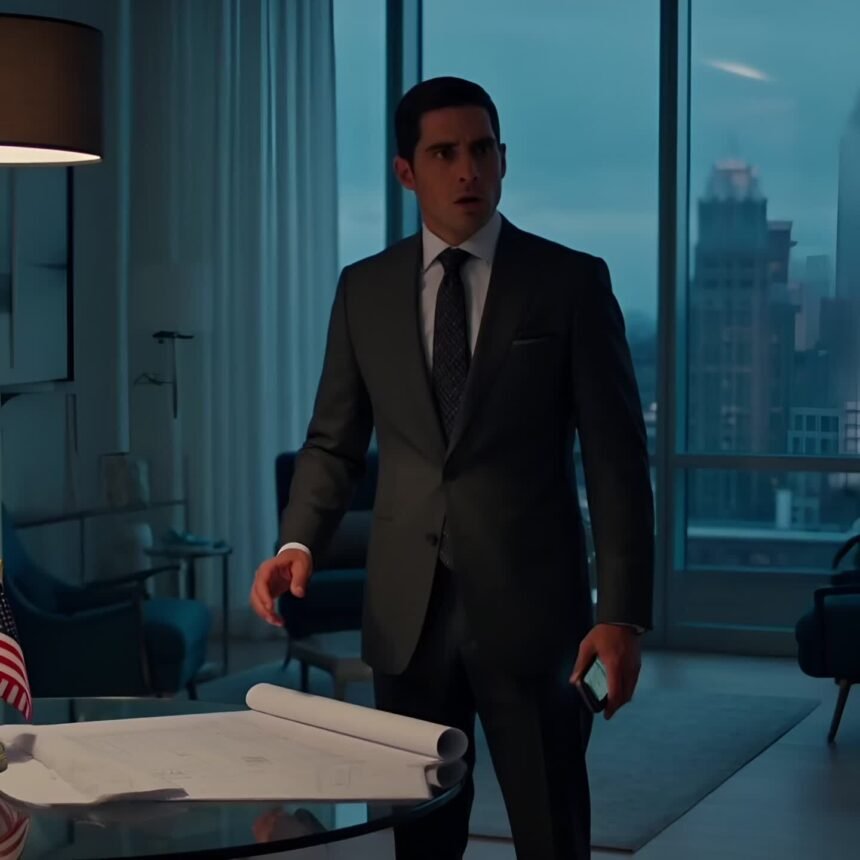
Perry Garland was thirty-four when his entire world collapsed on a perfectly ordinary Tuesday afternoon in October.
He didn’t discover his wife’s betrayal through suspicious text messages or lipstick on a collar. He learned the truth because Bonnie forgot to end a phone call.
He was sitting in his home office in downtown Seattle, Washington, reviewing architectural blueprints for a mixed-use development project when his phone buzzed. Bonnie’s name lit up the screen.
They’d talked an hour earlier. She was out shopping with her sister, Valerie, getting ready for a charity gala they were attending that weekend. Perry figured she was calling to ask his opinion on dress colors or whether he’d picked up her dry cleaning.
“Hey, babe,” he answered, already pulling up his calendar to double-check he hadn’t forgotten something.
Silence.
“Bonnie? You there?”
More silence, but not the empty kind. He could hear background noise—muffled voices, distant traffic, the electronic chime of a store entrance.
Pocket dial.
It happened sometimes. Perry was about to hang up when he heard her voice, distant but clear enough to catch the words.
“God, Val… I can’t believe I’m actually going through with this.”
Bonnie laughed—sharp, clipped, nothing like the soft, musical sound Perry had fallen in love with eight years ago.
“I mean… part of me almost feels bad. Almost.”
Perry froze, his finger hovering over the end-call button, his stomach tightening with a dread he couldn’t explain.
“Don’t you dare feel guilty,” another voice said.
Valerie. Definitely.
“That man has had you living like you’re middle-class when you could be so much more. You deserve better than his thirty-something architect salary and that modest little life.”
Perry’s throat constricted.
He made good money—nearly $120,000 a year. They lived in a nice condo. They took vacations twice a year. They didn’t worry about bills.
But Perry had always been careful with money. Conservative. There was a reason for that—one he’d never shared with Bonnie, one he’d planned to reveal on their tenth anniversary, two years away.
“It’s not just about the money,” Bonnie said, and Perry heard the soft scrape of hangers sliding across a rack.
“Though God knows I’m tired of him acting like spending three hundred dollars on a dress is some major investment decision.”
She exhaled a laugh that sounded like contempt.
“It’s that he’s so safe. So predictable. So boring.”
Something inside Perry cracked—clean, sudden, like ice splitting under pressure.
His breath caught.
“Perry is pathetically oblivious,” Bonnie continued, her voice dripping with disdain. “I’ve been seeing Derek for seven months now, and he hasn’t suspected a thing. Not once.”
Perry’s hand trembled around the phone.
Seven months.
The words echoed in his head like a death knell.
Seven months while he’d been planning anniversary surprises. Seven months while he’d been writing terrible poems because he thought it made her smile.
Or so he’d thought.
“You know what he did last week?” Bonnie went on, sounding almost amused. “He surprised me with reservations at that Italian place where we had our first date. Brought me flowers. Read me a poem he’d written.”
She laughed again. Cruel this time.
“A poem, Val. Like we’re teenagers. It was so embarrassing I could barely look at him.”
Perry’s grip tightened.
Every word was a blade sliding between his ribs—precise, practiced, devastating.
“So Derek’s definitely better than—” Valerie started.
But Bonnie cut her off.
“Derek’s everything Perry isn’t. Confident. Successful. He doesn’t second-guess every decision or ask my opinion about every little thing like he’s incapable of thinking for himself.”
Bonnie’s voice dropped lower, intimate in a way that made Perry’s skin go cold.
“And the chemistry is unreal, Val. I’d forgotten what it’s like to actually want someone.”
Perry felt heat rush to his face—then drain away.
The room seemed to shrink. The walls pressed in.
His hands shook so badly he almost dropped the phone.
But he couldn’t bring himself to end the call.
Some masochistic part of him needed to hear it all.
“When are you telling him?” Valerie asked, tone bright and excited, like they were discussing vacation plans.
“After the new year. Derek and I have it all planned out,” Bonnie said.
“I’ll file in January. Apparently, that’s better timing for the settlement. My lawyer said I should easily get half of everything—maybe more if we play up the right angles.”
Perry’s jaw clenched.
She said it so casually. Like this was a business deal, not a marriage.
“And Perry’s been putting everything in both our names like an idiot,” Bonnie added, as if she were describing a store return. “So it’ll be straightforward.”
Like an idiot.
Perry had put everything in both their names because that’s what you did when you loved someone. When you trusted them completely.
“And he has no idea you’ve been planning this?” Valerie asked.
“None whatsoever,” Bonnie said, smug now. “I’ve been the perfect wife. Cooking his favorite meals, laughing at his boring work stories, pretending to care about his little projects. He’s completely convinced we’re happy.”
Bonnie paused, and Perry heard the rustle of clothing.
“This weekend’s gala will be perfect. I’ll play the devoted wife one more time. Smile for all the photos. Make everyone think we’re the perfect couple.”
Her voice sharpened.
“Then come January—boom. He won’t know what hit him.”
Perry tasted bile.
That gala. The one he’d spent two weeks reshuffling his schedule to attend. The one he’d had his best suit cleaned for. The one he’d bought silent-auction tickets for because Bonnie told him it mattered.
All of it.
Every single moment.
A performance.
“You’re cold,” Valerie said, but she was laughing, clearly entertained. “I love it. And Derek’s really worth all this?”
“Derek’s a partner at Henderson and Associates,” Bonnie said. “He drives a Porsche 911. His condo overlooks the waterfront—the penthouse unit.”
Bonnie’s voice warmed with pride.
“Val, in six months with him, I’ve been to more five-star restaurants than Perry has taken me to in eight years.”
Then her tone shifted again—lower, sharper.
“Plus, Derek knows what he wants and takes it. Perry is always asking if I’m okay, if I’m happy, if I need anything. It’s exhausting pretending to be into that kind of softness.”
Softness.
She meant his care. His gentleness. His love.
Perry’s vision blurred. He blinked hard, refusing to let tears fall—not yet. Not while he listened to his wife plan his destruction like it was a game.
“When does Derek’s divorce finalize?” Valerie asked.
“February. We’re planning to move in together by March,” Bonnie said.
“His ex-wife is already with someone else, so it’s uncontested. Easy.”
Bonnie laughed. A sound that used to make Perry smile.
“Meanwhile, I’ll make sure Perry and I stay cordial through the divorce. It’ll look better to the judge.”
She lowered her voice again.
“Plus, if he thinks there’s a chance at reconciliation, he might be more generous. My lawyer specifically advised me to keep him hopeful. Easier to steer that way.”
Perry’s stomach turned.
This wasn’t confusion. This wasn’t a moment of weakness.
This was planned. Deliberate. Strategic.
“What about his family?” Valerie asked. “Won’t they be suspicious if you’re suddenly so friendly during a divorce?”
“Please,” Bonnie scoffed. “Perry’s parents live in Portland. We see them maybe three times a year. They think I’m wonderful, and his brother’s stationed overseas with the Navy. There’s nobody close enough to interfere.”
Her voice turned smug.
“Besides, Perry avoids conflict. He’ll probably just accept whatever I propose because he’ll be too devastated to fight.”
Perry felt something shift.
The pain was still there—raw, sharp.
But underneath it, something colder was forming. Something focused.
“You know what the best part is?” Bonnie continued.
“I’ll walk away with at least $150,000 from the condo sale. Probably more. Plus I’ll get spousal support since I quit my job two years ago to ‘support his career.’”
She laughed.
“His words, not mine. I just wanted to stop working.”
Another laugh.
“And he’ll probably give me the car, too, if I cry enough about needing transportation. God, he’s so easy to manipulate.”
Perry glanced at the framed photo on his desk.
Their wedding day.
Both of them laughing. Her hand on his chest. His arm around her waist.
He’d thought that day was the beginning of forever.
Apparently, for Bonnie, it had been the beginning of a long con.
The conversation continued—vacation homes in Maui, Derek’s sailboat, jokes about how Perry would probably cry and how pathetic that would look.
Each word peeled back another layer of betrayal, revealing how little he’d ever known the woman he married.
Then there was rustling, a muffled sound, and suddenly Bonnie’s voice was crystal clear—very close to the phone.
“Perry? Perry, are you there?”
“Oh my God… how long have you been on this call?”
Perry said nothing.
His voice had abandoned him.
Silence stretched between them, heavy with everything he now knew.
“Perry,” Bonnie tried again, panic seeping into her tone like water through a crack. “If you heard anything just now, you need to understand—Val and I were joking. You know how we are. We get dramatic when we’re shopping. We—”
Perry ended the call.
He stared at his phone for a long moment.
Afternoon sunlight slanted through his office window, dust motes drifting lazily in the beam.
Everything looked the same as it had twenty minutes ago.
But nothing would ever be the same again.
Then his phone rang.
Bonnie.
He declined.
It rang again immediately.
Decline.
A text came through.
Marcus, please call me back.
It wasn’t what it sounded like.
I can explain.
Another text.
You’re being ridiculous. Call me right now.
The shift from panic to anger happened in less than two minutes.
Perry watched it unfold, seeing the pattern with sudden clarity.
This was who she was.
Manipulative. Calculating.
Willing to twist reality even after he’d heard the truth with his own ears.
Another text.
Fine. Be childish. I’ll be home in an hour and we’ll talk about this like adults.
Like adults.
As if she was the reasonable one.
As if he was throwing a tantrum instead of reacting to the fact that his wife had been cheating for seven months and planning a divorce for money.
Perry’s hands shook.
He set the phone down carefully and watched more messages arrive.
Guilt.
Anger.
Bargaining.
She cycled through every tactic like she was flipping pages in a well-worn playbook.
But here’s what Bonnie didn’t know.
What nobody knew—except Perry’s financial adviser and his late grandfather’s estate lawyer.
Perry wasn’t the modest architect Bonnie thought he was.
If Bonnie’s behavior already has you feeling angry, you’re not alone. And if you want the rest of this story, keep going.
Six years ago, when Perry’s grandfather passed away, he left Perry a trust fund.
Not an absurd amount.
But enough to change everything.
$2.3 million.
Invested conservatively. Growing steadily.
There was a condition, though.
Perry couldn’t access the principal until he turned thirty-five—eighteen months away.
He could take distributions from the earnings, but he’d chosen not to.
He’d wanted to prove—to himself, and to anyone he might marry—that he could build a life on his own merit.
He’d wanted to know that whoever loved him, loved him.
Not his money.
Not his inheritance.
Not his potential.
Him.
Bonnie had no idea those funds existed.
When they married, Perry had signed a simple document confirming the trust’s existence for legal purposes, but he’d downplayed it—called it a small inheritance tied up in long-term investments.
Bonnie had barely glanced at the paperwork, uninterested in anything that wasn’t immediately accessible.
She never asked.
And Perry never volunteered details.
He’d planned to tell her everything on their tenth anniversary.
He’d even started planning how he’d reveal it—maybe a surprise trip to Bali, a renewal of their vows, a future where they could do anything they wanted because they’d already proven they didn’t need the money to be happy.
What a fool he’d been.
Perry opened his laptop with steadier hands than he expected.
The initial shock was fading, replaced by something clearer.
Sharper.
He pulled up his email and found his financial adviser’s contact.
Then his grandfather’s estate lawyer.
Then he opened a new document and started typing—recording everything he’d just heard while it was fresh.
Every word.
Every laugh.
Every calculated comment about guiding him into a “generous” settlement.
His phone kept buzzing.
Texts from Bonnie.
Calls from Valerie.
Then a voicemail from Bonnie—voice trembling, soaked in tears.
“Perry, please, baby… you have to let me explain. I love you. I don’t know what you think you heard, but I love you so much. Please just call me back. Please.”
The performance was almost convincing.
If he hadn’t heard her laughing about his “pathetic” poem minutes earlier, he might have believed her.
Perry’s mind started moving the way it did when he designed buildings.
Foundation first.
Structure.
Support systems.
Then the details that made everything hold.
He needed a lawyer—not just any lawyer.
He needed the best divorce attorney in Seattle. Someone who understood complex assets and trusts. Someone who could move quickly and quietly.
He had never considered himself vindictive.
But hearing Bonnie plot to take everything while mocking his kindness lit something fierce in his chest.
She wanted to steer him.
Fine.
Let her try.
He opened a new browser tab and began searching for attorneys, cross-referencing reviews and specialties.
Three names stood out.
One specialized in protecting clients from financial manipulation.
Perfect.
Perry sent three identical emails, marked urgent, requesting consultations as soon as possible.
Then he did something that surprised even him.
He called his brother, Jason, who was stationed overseas with the Navy but happened to be on leave.
They hadn’t talked in two weeks.
Jason answered on the second ring.
“Perry? How’s it going, man?”
“Jason, I need you to listen,” Perry said. “Don’t interrupt until I’m done.”
A pause.
“Okay,” Jason said, and Perry could hear the concern sharpen. “You’re scaring me a little, but okay. I’m listening.”
Perry told him everything.
The accidental call.
The conversation.
Derek.
Seven months.
The planned January filing.
The strategy to keep him “hopeful.”
Valerie’s laughter.
When Perry finished, silence filled the line.
Then Jason exhaled, tight with fury.
“Jesus… Perry, I’m so sorry. That’s… unforgivable.”
“What are you going to do?”
“I’m going to protect myself,” Perry said. “I’m going to document everything, hire the best lawyer I can find, and make sure she doesn’t get a single penny she’s not legally entitled to.”
He paused.
“And Jason… she doesn’t know about Grandpa’s trust.”
Another pause.
Then Jason let out a low whistle.
“She has no idea she’s about to start a war with someone who has actual resources.”
“None whatsoever,” Perry said. “She thinks I’m an easy mark who will hand over everything to make her happy.”
Jason’s voice went hard.
“She’s wrong.”
“I’ll fly back if you need me,” Jason offered. “I can get emergency leave. Be there in two days.”
“Not yet,” Perry said. “But I might need you to testify if this goes to court.”
“Absolutely,” Jason said immediately. “Whatever you need. Day or night.”
They talked another ten minutes, Jason venting, Perry absorbing the support like oxygen.
When they hung up, Perry looked around his home office.
The condo—renovations he’d designed himself. Weekends spent painting walls, installing shelves, building a home with his own hands.
Bonnie had complained about the work. Said they should just hire people.
Now she wanted half of it and a clean exit.
Perry heard the elevator ding in the hallway outside their unit.
His pulse spiked.
Bonnie was home.
Time to see what kind of performance she’d prepared.
He minimized his browser windows, closed his document, and stood.
His legs felt shaky, but he forced himself to walk steadily.
He heard her key in the lock.
The door opened.
Footsteps—quick, urgent—across the hardwood.
“Perry?” Bonnie called, breathless. “Perry, where are you?”
He stepped into the living room and stopped, keeping the coffee table between them.
Bonnie stood in the entryway, shopping bags dropped carelessly at her feet.
Her face was flushed.
Her eyes were wide.
She looked beautiful, Perry noticed distantly.
She always did.
That was part of what made lying so easy for her.
“How much did you hear?” she asked, voice small, careful.
Perry just looked at her.
He’d learned long ago that silence could be more powerful than accusation.
“Perry, please… whatever you think you heard, it wasn’t… it’s not what you think. Val and I were just talking. We say crazy things when we’re together. You know that.”
She took a step toward him, hands out.
“You know I love you. You know I’d never—”
“Seven months,” Perry said quietly.
She stopped.
“You’ve been seeing Derek for seven months. You have a lawyer. You’re planning to file in January. You think I’m pathetic. Oblivious.”
His voice never rose above conversational volume, which somehow made the words hit harder.
“You were going to play the devoted wife at the gala. Smile for photos. Then blow up my life after the new year.”
He held her gaze.
“Did I miss anything?”
Bonnie’s face went white.
Then red.
Then white again.
Her mouth opened, but no sound came out.
For the first time since he’d known her, she looked genuinely speechless.
“I heard everything,” Perry said. “From the moment you started talking about ‘going through with it’ to the part where you laughed about the poem I wrote.”
He swallowed.
“To the detailed plan to steer me through the divorce. Every single word.”
Tears started streaming down her face.
Perry felt… nothing.
That was the strangest part.
He’d expected rage, devastation, something.
Instead, he felt hollow, watching her cry the way he might watch rain through a window.
“I didn’t mean any of it,” she sobbed. “Val gets me worked up. We say things—stupid things. Derek doesn’t mean anything. It was a mistake. A stupid, stupid mistake. Please, Perry, you have to believe me. I love you. I’ve always loved you.”
“Stop,” Perry said.
His voice stayed quiet, calm.
But something in it made her pause mid-sob.
“I know what you’re doing,” he continued. “Your messages already went through guilt, anger, bargaining. Now we’re at crying and begging.”
He tilted his head slightly.
“What’s next? Are you going to tell me this is somehow my fault?”
Bonnie’s sob caught.
She stared at him like she’d never seen him before.
“Get out,” Perry said.
The words came easier than he expected.
“Pack a bag. Take what you need for a few days. Then leave.”
“Perry, no. Please—”
His voice remained low, even.
“You don’t get to do this,” he said. “You don’t get to spend seven months planning to ruin me and then cry your way out of it because you got caught.”
He took a slow breath.
“You want out? Fine. You’re out. But you don’t get to control how this happens anymore.”
“This is my home too,” she snapped, and just like that the tears shut off.
Something hard flickered in her eyes.
Something calculating.
“You can’t just throw me out.”
“You’re right,” Perry said. “Legally, it’s yours too. That’s why I’m asking you to leave voluntarily for a few days while we both figure out next steps.”
He met her stare.
“Unless you’d prefer this to become very public.”
Bonnie’s jaw tightened.
Perry’s calm cracked just enough to show steel.
“I’ve documented what you said,” he continued. “Your plan. Your timeline. Your contempt.”
He nodded toward the door.
“So you can walk out with some dignity… or you can stay and turn this into a disaster for yourself.”
The look she gave him was pure venom.
There she was.
The real Bonnie.
The one hidden under sweet smiles and gentle touches.
“You’re going to regret this,” she said coldly.
“I already regret it,” Perry replied. “I regret the last eight years. I regret believing you loved me.”
He swallowed hard.
“I regret writing you poems and surprising you with flowers and thinking any of it mattered.”
Then he lifted his chin.
“But I don’t regret finding out who you are before I wasted more of my life.”
Bonnie grabbed her shopping bags and stormed toward their bedroom.
Perry heard drawers slam.
Hangers clatter.
Angry footsteps pacing.
Fifteen minutes later, she emerged with a rolling suitcase and her laptop bag.
She stopped at the door.
Turned.
For a second, her mask slipped and something like real regret flickered across her face.
Then it vanished, replaced by cold fury.
“You’ll hear from my lawyer,” she said.
“I’m counting on it,” Perry answered.
The door slammed behind her, the sound echoing through a condo that suddenly felt too quiet.
Perry stood there for a long moment, listening to the silence.
Then his legs finally gave out, and he sank onto the couch, hands covering his face.
He didn’t cry.
Not yet.
Instead, he opened a new note on his phone and started a timeline—every suspicious moment from the last seven months that now made sense.
Every late night she claimed was drinks with friends.
Every weekend “with Valerie.”
Every fight she started over nothing.
It was all there.
He’d just been too trusting to see it.
His phone buzzed.
An email response from one of the attorneys.
They could see him tomorrow at 9:00 a.m.
Perry confirmed the appointment.
Tomorrow, he would start building his defense.
Tonight, he would grieve the death of his marriage.
But underneath the grief, something else stirred.
Bonnie had made one crucial mistake.
She’d underestimated him completely.
◆ ◆ ◆
The next morning, Perry woke at 6:00 a.m. in his own bed, which somehow felt both familiar and foreign.
Bonnie had slept beside him for eight years.
Now the empty space felt enormous—a territory of cold sheets and unanswered questions.
He’d barely slept.
His mind had run through scenarios, possibilities, worst-case outcomes.
But he’d also been thinking strategically.
He spent hours the night before organizing everything.
The recording of the call was saved in multiple secure places.
His timeline was detailed.
He had a list of dates, incidents, patterns.
He pulled call logs and account records available through their shared phone portal—frequency, duration, numbers.
He couldn’t see message content, but he could see the rhythm of it.
One number appeared constantly.
Starting exactly seven months ago.
Hundreds of texts.
Calls lasting hours.
Late-night video calls.
Derek.
At 8:30 a.m., Perry stood outside the office of Patricia Morrison, one of Seattle’s most respected divorce attorneys.
The building was downtown—glass and steel and understated wealth.
He arrived early and sat in the waiting room, trying not to think about how Bonnie had texted him seventeen times overnight.
Each message a different flavor of manipulation.
Apologetic.
Angry.
Cold.
Businesslike.
My lawyer will be in touch. Don’t try to hide anything. I know what you make.
That last one made him smile grimly.
She had no idea.
“Mr. Garland?”
A professional-looking woman in her mid-fifties appeared in the doorway.
Steel-gray hair.
Sharp eyes.
The calm air of someone who’d seen every trick in the book and wasn’t impressed by any of them.
“I’m Patricia Morrison,” she said. “Come on back.”
Her office was impressive—floor-to-ceiling bookshelves, a massive desk, windows overlooking Elliott Bay.
She gestured to a leather chair.
“Your email was… illuminating,” she said, sitting down with a legal pad. “Walk me through everything from the beginning.”
Perry did.
He told her about the accidental call.
Played the recording.
Showed her the timeline.
The call logs.
The trust.
Bonnie’s attorney.
The planned January filing.
The strategy to keep him hopeful.
Patricia listened without interrupting, taking notes in precise handwriting.
When he finished, she set down her pen.
“Mr. Garland,” she said, “in twenty-eight years of practicing family law, I have rarely seen someone come to me this prepared. You did a lot right.”
“So what happens now?” Perry asked.
Patricia’s expression went clinical.
“Washington is a no-fault divorce state. The affair itself usually doesn’t change the basic division of assets. But what matters is classification and documentation.”
She tapped her pen.
“Your grandfather’s trust is separate property. Inherited by you individually. It hasn’t been merged into marital accounts, and you haven’t accessed the principal.”
Perry’s chest loosened slightly.
“So she can’t touch it.”
“Not the trust itself,” Patricia said. “The condo is different. That’s marital property purchased during the marriage. She’s entitled to half the equity. You estimated around $150,000.”
Perry’s mouth went tight.
“She’s also potentially eligible for temporary support,” Patricia continued, “because she hasn’t worked in two years.”
“She quit to ‘support my career,’” Perry said bitterly.
Patricia’s lips twitched in something that wasn’t quite a smile.
“That’s where your recording matters,” she said. “She admits she wanted to stop working. She also outlines her plan to move in with another partner. That can affect support arguments.”
She leaned forward.
“But here’s what I want to do.”
Perry waited.
“I want to file first.”
Perry blinked.
“I thought she was filing in January.”
“She is,” Patricia said. “Which means we beat her to it. If we file first, we control the opening narrative and the initial requests. We also catch her off guard.”
“When would we file?”
Patricia checked her screen.
“Today, if you’re ready. I can have paperwork prepared within hours.”
Perry thought of Bonnie’s text.
I know what you make.
The arrogance.
The certainty.
“Do it,” he said.
Patricia nodded once.
“Good. Now let’s talk strategy.”
She made a list.
“Your wife made several crucial mistakes. She underestimated you. She discussed plans in a way you can prove. She doesn’t know about your trust. Those are significant advantages.”
Perry’s jaw tightened.
“What about Derek?”
Patricia’s gaze stayed steady.
“We’ll want to know his status, because it affects credibility and claims. If he’s going through his own divorce, his records may be subpoenaed. Also, if there are ethical issues on his side, those can create pressure.”
She paused.
“But we don’t do anything reckless. Everything goes through legal channels.”
Perry nodded.
“As far as it takes,” he said quietly. “I want consequences. I want her to understand kindness isn’t weakness.”
Patricia’s smile was sharp and satisfied.
“Then we build an airtight case.”
They spent the next hour on details.
Perry signed a retainer agreement—$25,000 upfront—paid from his personal checking.
He signed forms authorizing requests for records.
He wrote a detailed statement.
At noon, Patricia’s paralegal brought in the first draft of the petition.
It was clinical.
Precise.
Devastating.
It requested immediate separation of assets, limitations on support based on cohabitation, and preservation of records.
“We’re also going to request temporary orders preventing either party from taking on significant debt or disposing of assets,” Patricia explained. “That reduces the risk of financial chaos while proceedings begin.”
Perry signed.
By 2:00 p.m., the papers were filed with King County Superior Court.
By tomorrow morning, Bonnie would be served.
“What happens next?” Perry asked at the door.
“She’ll have twenty days to respond,” Patricia said. “Her attorney will likely push for quick concessions. They may make accusations. They may try to pressure you emotionally or publicly.”
Patricia looked him straight in the eye.
“Do not engage. Any communication goes through me.”
“I will,” Perry said.
He paused.
“Thank you,” he added. “For taking this seriously.”
“You’re responding appropriately to a major betrayal,” Patricia said. “That isn’t weakness. It’s wisdom.”
Perry left feeling something he hadn’t felt since the phone call.
Control.
He ate lunch at a small café near the waterfront, watching sailboats drift across gray water.
His phone buzzed constantly.
Texts from Bonnie.
Calls from Valerie.
Even a message from an unknown number he suspected might be Derek.
He ignored them.
Instead, he called his parents—Susan and Martin Garland in Portland, Oregon.
His mother answered.
“Perry! We were just talking about you. Your father saw an article about that waterfront project you’re working on. It looked beautiful, sweetheart.”
“Thanks, Mom,” Perry said. “Is Dad there? I need to talk to both of you.”
The shift in her tone was immediate.
“What’s wrong? Are you okay?”
“I’m okay,” Perry said. “But I need to tell you something, and it’s not good.”
A minute later, both his parents were on the line.
Perry told them everything.
The call.
The affair.
The planned divorce.
The manipulation.
The filing.
When he finished, silence pressed down.
Finally, his father spoke, voice thick.
“Son… I’m so sorry.”
His mother’s voice went firm.
“What do you need from us? Do you need us to come up there?”
“Not right now,” Perry said. “But she’s going to be served tomorrow. After that, she may call you. She may try to twist things. I need you to know the truth first.”
“We’re on your side,” his mother said instantly.
“Whatever you need.”
Before they hung up, his father said something that landed hard.
“When you really love someone, their happiness matters to you,” Martin said. “You spent years trying to care for her. She spent months planning to use you. That tells you everything about the difference between real love and selfish love.”
Perry sat in his car after that call, watching the city move around him as if nothing had changed.
People with coffee cups.
Shopping bags.
Ordinary life.
He drove home and walked into the condo.
It still looked the same.
Their wedding photo sat on the mantle.
Both of them smiling like they had a secret.
Perry picked it up and turned it face down.
He couldn’t throw it away.
Not yet.
But he didn’t need to look at it.
He spent the evening making an inventory of shared possessions.
What mattered.
What didn’t.
If this divorce became a battle, he wanted to know the territory.
At 9:00 p.m., his phone rang.
Unknown number.
He almost ignored it.
Something made him answer.
“Perry Garland?”
A smooth male voice.
“Who is this?”
“Derek Morrison. I think we need to talk.”
Perry’s jaw tightened.
“I have nothing to say to you.”
“Look, man,” Derek said. “I didn’t know Bonnie was married when we started seeing each other. She told me you were separated. That the divorce was already in progress.”
The lie was so smooth it was almost impressive.
“You’ve been seeing her for seven months,” Perry said evenly. “You’re planning for her to move in by March. Do you really want to keep pretending you didn’t know?”
A pause.
When Derek spoke again, his voice had hardened.
“Bonnie warned me you might react badly. She said you could be controlling.”
Perry let the silence breathe.
“Did she mention the recording I have of her describing your relationship and her plan to manipulate me through legal proceedings?”
Another pause.
“What do you want?” Derek asked.
“I want you to stay out of my divorce,” Perry said. “I’m not threatening you. I’m not doing anything reckless. But I will protect myself, and the facts will be documented.”
Derek exhaled sharply.
“You can’t—”
“I can,” Perry said. “And I am.”
He ended the call.
His hands shook—not from pain this time, but adrenaline.
An hour later, Bonnie texted.
Derek said you threatened him. This is exactly the kind of behavior my lawyer needs to know about.
Perry didn’t respond.
Let her write whatever story she wanted.
By tomorrow morning, she’d learn the truth.
If you’re reading this and wondering what Perry should do next, keep going.
◆ ◆ ◆
The next morning, Perry woke to seventeen missed calls and thirty-four text messages.
He checked the time.
7:47 a.m.
The process server must have reached Bonnie.
The texts were a tour through rage.
Panicked.
What did you do?
You filed for divorce without even talking to me.
Then angry.
You are such a coward.
You can’t even face me.
Then threatening.
My lawyer is going to destroy you.
You have no idea what you’ve started.
Then bargaining.
Please, can we talk face to face?
I’ll tell you everything.
Then calculated.
Fine, if this is how you want to play it, remember I know things about you too.
Your long hours.
Your obsession with work.
The times you “ignored” me for your projects.
Perry smiled grimly.
Good luck making dedication look like wrongdoing.
He moved through his morning routine methodically.
Shower.
Coffee.
Breakfast.
He had a 10:00 a.m. client meeting.
He needed to be sharp.
His phone rang.
Patricia Morrison.
“Good morning, Mr. Garland,” she said. “Just confirming your wife was served at 7:30 a.m. at her sister’s residence. According to the server, she became quite agitated.”
“I noticed,” Perry said dryly, glancing at the flood of messages.
“I expect we’ll hear from her attorney within twenty-four hours,” Patricia continued. “Until then, do not respond to her. Do not engage. Any communication comes through me. If she shows up at your home or workplace, document it, but don’t argue.”
“Understood.”
“One more thing,” Patricia said. “I had an investigator do preliminary research on Derek Morrison. Interesting findings.”
Perry’s stomach tightened.
“His divorce isn’t as smooth as he claimed. His wife filed citing infidelity and is seeking a significant settlement. There are references to multiple affairs.”
Perry felt a cold satisfaction settle in.
“So my wife isn’t special.”
“It doesn’t appear so,” Patricia said. “Which means two things. One, Bonnie chose a partner with a pattern of dishonesty. Two, Derek’s firm may be paying attention, because reputational concerns matter in those environments.”
“I have someone looking into whether Bonnie had any connection to his firm before the affair started,” Patricia added.
“You think she met him through an event?”
“It’s a theory,” Patricia said. “If there are ethical complications, it creates pressure.”
After the call, Perry headed to work.
The firm was small but prestigious—sustainable architecture and urban planning.
His colleagues could tell something was wrong.
He’d been distracted for days.
That changed when his boss, Linda Park, called him into her office.
Linda was sixty—brilliant, direct, built the firm from nothing.
“Perry,” she said, “I need you to be straight with me. Are you okay? You look like you haven’t slept in a week.”
Perry sat down heavily.
“Bonnie and I are getting divorced,” he said. “She’s been having an affair for seven months. I found out three days ago.”
Linda’s expression shifted from concern to fury.
“That woman,” she said quietly. “I never said anything, but she always struck me as someone more interested in status than substance.”
“You weren’t wrong,” Perry said.
He gave Linda the basics—the accidental call, the betrayal, the manipulation, the filing.
When he finished, Linda shook her head.
“I’m sorry you’re going through this,” she said. “But I’m impressed by how you’re handling it. Smart. Strategic.”
“I learned from the best,” Perry said, managing a small smile.
Linda leaned back.
“Take whatever time you need,” she said. “Work from home, leave early, take a day off—just tell me. Your work has been exceptional for six years. You’ve earned flexibility.”
The rest of the day blurred into meetings and design reviews.
It was almost a relief to focus on problems with concrete solutions.
Beam-load calculations didn’t lie.
Building codes didn’t betray you.
At 5:00 p.m., as Perry packed up to leave, his phone rang.
Unknown number.
He almost ignored it.
Something made him answer.
“Is this Perry Garland?”
A woman’s voice—uncertain, strained.
“Yes,” Perry said. “Who is this?”
“My name is Jennifer Morrison,” she said. “I’m… Derek’s wife. Soon-to-be ex-wife, I guess.”
Perry’s pulse jumped.
“How did you get my number?”
“Your wife called me three hours ago,” Jennifer said, and her voice cracked. “She told me I needed to stop ‘causing problems.’ That my divorce was affecting her relationship with Derek. She told me to accept the settlement Derek’s lawyers are offering and move on.”
A pause.
“She called me bitter. Pathetic. She said Derek was happier with her than he ever was with me and that I needed to let go.”
Perry closed his eyes.
“I’m sorry,” he said quietly. “That was cruel and completely inappropriate.”
Jennifer inhaled shakily.
“Is it true you have a recording?”
Perry hesitated.
“How do you know about that?”
“Derek mentioned it,” Jennifer said. “He’s been calling me, pushing me to agree to an expedited divorce. He wants to move quickly.”
Her laugh sounded more like a sob.
“I was married to him for eleven years,” she said. “Eleven. And then I found out about affairs—plural. Multiple women. Often married. Convinced he was their soulmate.”
Perry’s throat tightened.
“I’m sorry,” he said again. “You didn’t deserve that.”
“Neither did you,” Jennifer said. Then she took a breath.
“I called to warn you. Derek is good at manipulating narratives. He makes people believe he’s the victim, that things just happen to him.”
Perry thought of Bonnie’s confidence on the recording—Derek as the grand upgrade.
“Have you told her this?” he asked.
“She won’t listen,” Jennifer said. “When I tried, she accused me of being jealous. Said I was trying to sabotage her happiness.”
Jennifer exhaled.
“But whether you like it or not, we’re both dealing with the fallout of their choices.”
Perry swallowed.
“Thank you for calling,” he said. “And… I hope you get what you deserve in your divorce.”
“My lawyer thinks so too,” Jennifer said. “We’re preparing for trial if we have to. I’m done letting him control the story.”
She paused.
“Good luck, Perry,” she said softly. “Something tells me you’re going to need it.”
The call ended.
Perry sat in his car in the parking garage, processing.
Bonnie had called Derek’s wife—just to gloat.
The cruelty stunned him.
And Derek was doing whatever he could to accelerate his own divorce.
They deserved each other.
Perry drove home, stopping for Thai food.
When he pulled into his building’s garage, he saw Valerie’s car parked near the entrance.
Great.
An ambush.
Sure enough, when he reached his floor, Valerie stood outside his condo door, arms crossed.
“We need to talk,” she said.
“No, we don’t,” Perry said, unlocking the door.
“You’re ruining my sister’s life,” Valerie snapped. “She made a mistake. One mistake and you’re destroying her.”
Perry turned to face her.
“One mistake?” he said. “She cheated for seven months. She planned a strategy to steer me into giving her more than she deserved. You laughed while she called me weak.”
He steadied his breath.
“This wasn’t one mistake. It was a long campaign of deception.”
Valerie’s face flushed.
“You weren’t supposed to hear that conversation. That was private.”
“Tough,” Perry said. “I did.”
He stepped into his condo.
“If you don’t leave right now, I’m calling building security,” he said. “And if you ever come back, I’ll involve authorities. Do not come to my home.”
Valerie’s voice turned pleading.
“Bonnie loves you. She’s just confused. She needs help, not divorce papers.”
“Bonnie loves what I provide,” Perry said. “That’s not the same as loving me.”
He started to close the door.
“Goodbye, Valerie.”
He locked the deadbolt and leaned against it, breathing hard.
His food was getting cold.
He didn’t move.
His phone buzzed.
A text from Patricia.
Bonnie’s attorney contacted me. They want to meet tomorrow to discuss settlement options. I told them we’re not interested until discovery. Expect escalation.
Escalation.
That was exactly what this was becoming.
And Perry was ready.
If you’re still with this story, you know the real battle isn’t always in court. It’s in perception, pressure, and patience.
The next two weeks were brutal.
Bonnie’s attorney—an aggressive man named Richard Halt—filed motion after motion.
Requests for emergency support.
Demands for financial records.
Claims Perry was hiding assets.
Each filing was more desperate than the last.
And each one was denied once Patricia presented documentation, timelines, and the clear contradiction between Bonnie’s public claims and her private plan.
But the most exhausting fight wasn’t in a courtroom.
It was in public opinion.
Bonnie launched a social media campaign that would have been impressive if it hadn’t been so transparent.
Posts about “unexpected heartbreak.”
About discovering who someone really is.
Photos of her looking sad and reflective—beautifully lit, carefully composed.
Comments from friends offering support, asking what happened, expressing shock that Perry would “throw away eight years over a misunderstanding.”
Perry stayed silent.
Patricia had advised him not to post anything.
He followed that advice.
Bonnie’s silence-into-rage pattern repeated.
When he didn’t respond publicly, she escalated.
Three days after being served, Bonnie showed up at his office.
Perry was in a meeting with a client when his assistant, Tom, knocked.
“Perry, I’m sorry to interrupt,” Tom said, uncomfortable. “Your wife—Bonnie—is in the lobby. She’s insisting she needs to see you. Security asked if they should escort her out.”
Perry excused himself and walked to the lobby.
Bonnie stood near the reception desk.
She looked terrible.
Or rather, she looked like she’d carefully curated the appearance of terrible.
Dark circles under her eyes—possibly makeup.
Hair slightly messy.
Yoga pants and a hoodie instead of her usual polished style.
“Perry, please,” she said, voice breaking. “Can we talk? Five minutes. That’s all I’m asking.”
Several colleagues watched.
This was the performance she wanted.
The desperate wife.
The cold husband.
Perry could see the optics like he was looking at a floor plan.
“My attorney has advised me not to speak to you directly,” he said calmly. “Any communication needs to go through the attorneys.”
“I’m your wife,” she said, voice rising, tears spilling. “We’ve been together eight years and you won’t even give me five minutes?”
“You’re my wife who spent seven months planning to divorce me while seeing someone else,” Perry said, steady. “You’re my wife who mocked me. You’re my wife who mapped out a plan to manipulate the legal process.”
He held her gaze.
“So no, I won’t give you five minutes. I gave you eight years.”
Bonnie’s sobs intensified—full-body shaking, almost convincing.
“I made a mistake,” she cried. “I was confused. I was scared. But I know now. I want you. I want our marriage. Please, Perry. Please.”
Perry looked at her.
Really looked.
And felt nothing but distant pity.
Three weeks ago, her tears would have destroyed him.
Now they looked like another tactic.
“Goodbye, Bonnie,” he said quietly, and turned to walk back.
“You’re going to regret this!” she screamed after him, and the tears shut off like a faucet.
“When you’re alone and miserable, you’re going to remember this moment and wish you’d given me another chance!”
Perry kept walking.
Behind him, Tom asked security to escort Bonnie out.
Half the office had witnessed the scene.
And within an hour, the story spread.
Not Bonnie’s story.
The truth.
Too many people had heard too much.
Bonnie’s narrative began to crack.
But she wasn’t finished.
Two days later, Perry received notice that Bonnie was claiming he had “controlled the money” and kept her dependent—painting him as the problem.
It was a fabrication.
Disproved by records showing she had access to accounts and chose to quit working.
But it was a signal.
She was willing to lie.
Willing to damage his reputation if that helped her position.
Patricia filed a counterclaim immediately, including the recording and documentation that Bonnie quit by choice and even bragged about steering Perry into supporting her.
“She’s getting desperate,” Patricia said during a strategy meeting. “That’s good for us. Desperate people make mistakes.”
“What’s our next move?” Perry asked.
“We depose Derek,” Patricia said. “Put him under oath. Timeline. Knowledge. Communications. We subpoena records.”
“Won’t that drag this out?” Perry asked.
“Yes,” Patricia said. “But it also exposes every lie they’ve told.”
Then she leaned forward, expression serious.
“And Perry… prepare yourself. Bonnie is going to make one last dramatic play. Something designed to make you doubt yourself or feel guilty. When it comes, you need to be ready.”
She was right.
The play came exactly one week later.
Perry was working late at the condo when the doorbell rang.
He checked the security camera.
Bonnie stood there alone, looking small and vulnerable.
He almost didn’t answer.
Something made him open the door—chain lock still engaged.
“What do you want, Bonnie?”
“I know you don’t want to talk to me,” she said. “I know I don’t have the right to ask you for anything. But I need you to know something, and then I’ll go. I won’t bother you again.”
“You have two minutes,” Perry said.
Bonnie took a deep breath.
“You were right,” she said. “Derek is exactly who Jennifer said he is. He’s been pulling away ever since he realized this isn’t going to be easy.”
Her voice shook.
“Last night he told me we should ‘take a break’ until both divorces are finalized.”
Perry said nothing.
He just watched.
Bonnie’s composure cracked.
“I destroyed the best thing in my life because I was greedy and bored,” she whispered. “I threw away someone who actually loved me for someone who was using me.”
A beat.
“Now I have nothing. No marriage. No boyfriend. No job. No plan. I’m staying on Val’s couch, and she’s already tired of me being there.”
Her eyes shone.
“I’m not asking for another chance,” she said quickly. “I know I don’t deserve that. I’m just asking…”
Her voice broke.
“Did I ever mean anything to you? Or is it really that easy for you to just shut off eight years?”
This was the moment Patricia warned him about.
The guilt hook.
The last dramatic play.
Perry chose his words carefully.
“You meant everything to me, Bonnie,” he said, voice quiet and steady. “For eight years, you were my whole world. I would have done anything for you.”
Bonnie’s face crumpled.
“But the woman I loved doesn’t exist,” Perry continued. “She was a role you played because it got you what you wanted.”
He held her gaze.
“The real you is the woman on that recording—laughing about using me, calling my care weakness, planning to take what you could.”
He exhaled slowly.
“So no… I didn’t ‘shut off’ eight years. I’m mourning eight years. But I’m mourning something that was never real.”
Bonnie swallowed a sob.
“I did love you,” she whispered. “Maybe not the way I should have… but I did.”
“You loved what I gave you,” Perry said softly. “That isn’t the same thing.”
He began to close the door.
“Goodbye, Bonnie. I hope you figure out what actually makes you happy. But it’s not my job to carry you anymore.”
He closed the door gently.
He heard her sob on the other side.
Part of him wanted to open it again.
To comfort her.
To fix it.
But he didn’t.
Because Patricia had been right.
This was her last play.
He texted Patricia.
She came by, tried the heartbroken act. I didn’t bite.
The response came back immediately.
Good. Her lawyer called today. They want to settle. Standard division—half the condo equity—no support if you agree not to pursue reimbursement for expenses during her affair. She’s cutting her losses.
Perry stared at the message.
What about Derek?
Already moved on. Investigator saw him out last night with another woman. I can send photos, but I don’t think you need them.
Patricia was right.
He didn’t need them.
Derek was Bonnie’s problem.
Or rather, he wasn’t anyone’s problem anymore.
He did what he always did—stirred chaos and moved on.
The divorce was finalized six weeks later, just before Christmas.
The settlement was exactly what Patricia predicted.
Bonnie got $157,000 from the condo sale.
Half their joint savings.
About $12,000.
And nothing else.
No ongoing support.
No car.
No furniture she hadn’t explicitly purchased.
The judge read the transcript of the recording and seemed unimpressed with Bonnie’s claims.
On the day it was finalized, Perry sat in the courthouse hallway while Patricia handled paperwork.
Bonnie sat at the opposite end with her attorney.
They didn’t look at each other.
When Patricia emerged with the signed papers, Perry stood and walked toward the exit.
He had to pass Bonnie.
As he did, she spoke for the first time in weeks.
“I hope you’re happy,” she said, voice flat. “I hope it was worth it.”
Perry stopped.
Turned.
“It was worth not spending the rest of my life with someone who saw me as a target instead of a partner,” he said.
He held her gaze.
“So yes, Bonnie. It was worth it.”
He walked out into cold December air, breath misting.
His phone buzzed.
Texts from his parents.
From Jason.
From Patricia.
Short messages of support.
He replied briefly.
Then he did something he hadn’t done in two months.
He went to his favorite coffee shop.
Ordered a ridiculously expensive latte.
Sat by the window watching people rush past with holiday shopping bags.
He opened his calendar.
March 15th.
His thirty-fifth birthday.
The day he could access his grandfather’s trust.
He’d always planned to tell Bonnie on that day—surprise her with security and freedom.
Now he’d tell no one.
Share it with no one.
And somehow, that felt right.
He’d proven he could build a life without it.
He’d proven his career stood on its own merit.
Now the money would be his to use however he wanted—new home, investments, donations.
Choices made freely.
His phone rang.
Patricia.
“Just checking in,” she said. “How are you holding up?”
“I’m okay,” Perry said. Then, surprised himself. “Better than okay. I feel… free.”
“Good,” Patricia said. “That’s the goal.”
She paused.
“Can I give you some advice? Not as your lawyer, but as someone who’s been through this.”
“Of course,” Perry said.
“Take time before you date again,” Patricia said. “Process what happened. Learn what you need to learn. And when you’re ready, find someone who loves you for who you are, not what you provide.”
Perry exhaled.
“Thank you,” he said. “For everything.”
After the call, Perry sat for a long time, coffee cooling.
He thought about the man he’d been eight years ago—young, optimistic, believing love and trust were enough.
Then he thought about the man he was now.
Wiser.
More cautious.
But not broken.
Bonnie tried to take everything she thought he had.
But she never knew about the trust.
She never understood that his real value wasn’t in his assets.
It was in his character.
His integrity.
His capacity to care.
She’d called his kindness weakness.
She’d been wrong.
Real strength wasn’t cruelty.
It wasn’t calculation.
Real strength was staying kind without letting someone use you.
It was protecting yourself without losing your humanity.
Three months later, Perry walked through Pike Place Market on a Saturday morning, buying fresh flowers for his new apartment.
Smaller.
Simpler.
Entirely his.
His phone buzzed with a text from Jason.
Dude, did you see this?
A link to a society-page article.
Henderson and Associates partner Derek Morrison resigns amid professional ethics inquiry.
The article was vague—“conduct unbecoming,” “violations of firm policies.”
Reading between the lines, Perry understood.
Derek’s pattern had caught up with him.
Rather than face formal investigation, he’d been pushed out.
Perry felt a flicker of satisfaction.
Then he let it go.
Derek wasn’t his concern anymore.
Neither was Bonnie.
He’d heard through mutual friends that she’d moved to California—staying with a college friend, working retail while she tried to restart her life.
Part of him wondered if she’d learned anything.
Probably not.
But it wasn’t his job to care.
Perry bought lilies and roses and walked back to his car, enjoying the spring sunshine.
His phone buzzed again—this time a reminder for a dinner he’d scheduled.
Since the divorce, he’d reconnected with old friends he’d drifted from.
Tonight was dinner with his college roommate, Dave, and Dave’s wife, Sarah.
Just conversation.
Just ordinary human connection.
Life wasn’t perfect.
He still had moments where betrayal ached.
Nights where he second-guessed choices.
But those moments were getting fewer, replaced by something steadier.
Acceptance.
He had loved Bonnie.
That was real.
Even if her love for him wasn’t.
He’d built a life with her.
Trusted her completely.
That wasn’t stupidity.
That was what love looked like.
The fact that she couldn’t return it said everything about her and nothing about him.
He sat in his car for a moment, flowers on the passenger seat, sunlight streaming through the windshield.
He thought about his grandfather.
The trust fund.
The requirement that Perry couldn’t access it until thirty-five.
At the time, it had seemed arbitrary.
Now it felt like wisdom.
His grandfather had wanted him to build something of his own first.
To know his worth independent of inherited money.
That requirement had protected him.
If Bonnie had known about the trust from the beginning, would she have married him?
Maybe.
But she would have loved the money.
And he never would have known the difference.
“Thank you, Grandpa,” Perry said quietly to the empty car. “You were right.”
He started the engine and pulled into traffic, heading home to a new life.
A life built on truth instead of lies.
A life where kindness wasn’t weakness.
It was strength.
Perry learned something profound through the ordeal:
The best revenge isn’t revenge.
It’s living well without letting someone else’s cruelty change who you are.
He faced betrayal with intelligence instead of violence.
Protected himself with strategy instead of spite.
Walked away with his integrity intact.
Bonnie had called his care weakness.
His consideration pathetic.
His love a liability.
But in the end, those qualities were what saved him.
His patience meant he listened long enough to hear the whole plan.
His attention to detail meant he documented everything carefully.
His generosity meant he built a clear record of how he treated his partner—one that made false claims easier to dismantle.
Her cruelty became her downfall.
His kindness became his armor.
And if there’s a lesson in Perry Garland’s story, it’s this:
Never confuse kindness with weakness.
Never assume someone’s goodness means they can be exploited.
And never underestimate the person you’re betraying.
They might be stronger, smarter, and more capable than you ever imagined.
Sometimes justice doesn’t look like revenge.
Sometimes it looks like walking away with your head high, your resources protected, and your character intact.
Sometimes the best victory is refusing to become the villain in someone else’s story.
Perry was tested in the fire of betrayal and came out refined.
Still capable of trust—wiser about where to place it.
Still capable of love—more discerning about who deserved it.
Still kind—no longer confused about the difference between kindness and enabling someone’s cruelty.
Three months after the divorce was finalized, Perry stood in his new apartment, looking out at the Seattle skyline as evening fell.
His phone buzzed with a text from his father.
Proud of you, son. Your grandfather would be too.
Perry smiled.
Set the phone down.
And returned to the architectural plans spread across his dining table.
Monday, he had a meeting about a new civic center project—the biggest commission of his career so far, one he earned based solely on reputation and skill.
He’d built this life himself.
No deception.
No shortcuts.
No compromises.
And when his thirty-fifth birthday arrived and the trust became accessible, he’d build even more.
Not because he needed the money to prove anything.
But because he’d already proven everything that mattered.
Bonnie wanted to take everything from him.
Instead, she gave him clarity.
The certainty of who he was.
What he was worth.
And what he would never accept again.
He was free.
He was whole.
He was enough.
And he always had been.