My Parents Gave My Sister $800K Family House Leaving Me Nothing. I Just Smiled…
When my parents signed the family house over to my sister, leaving me nothing, I just smiled. They next visited their “new apartment,” but the security guard blocked them. My sister called Mom, screaming…
I’m Naomi Chin, thirty-four, and I’ve learned there’s a special kind of silence people mistake for peace.
It’s not peace. It’s preparation.
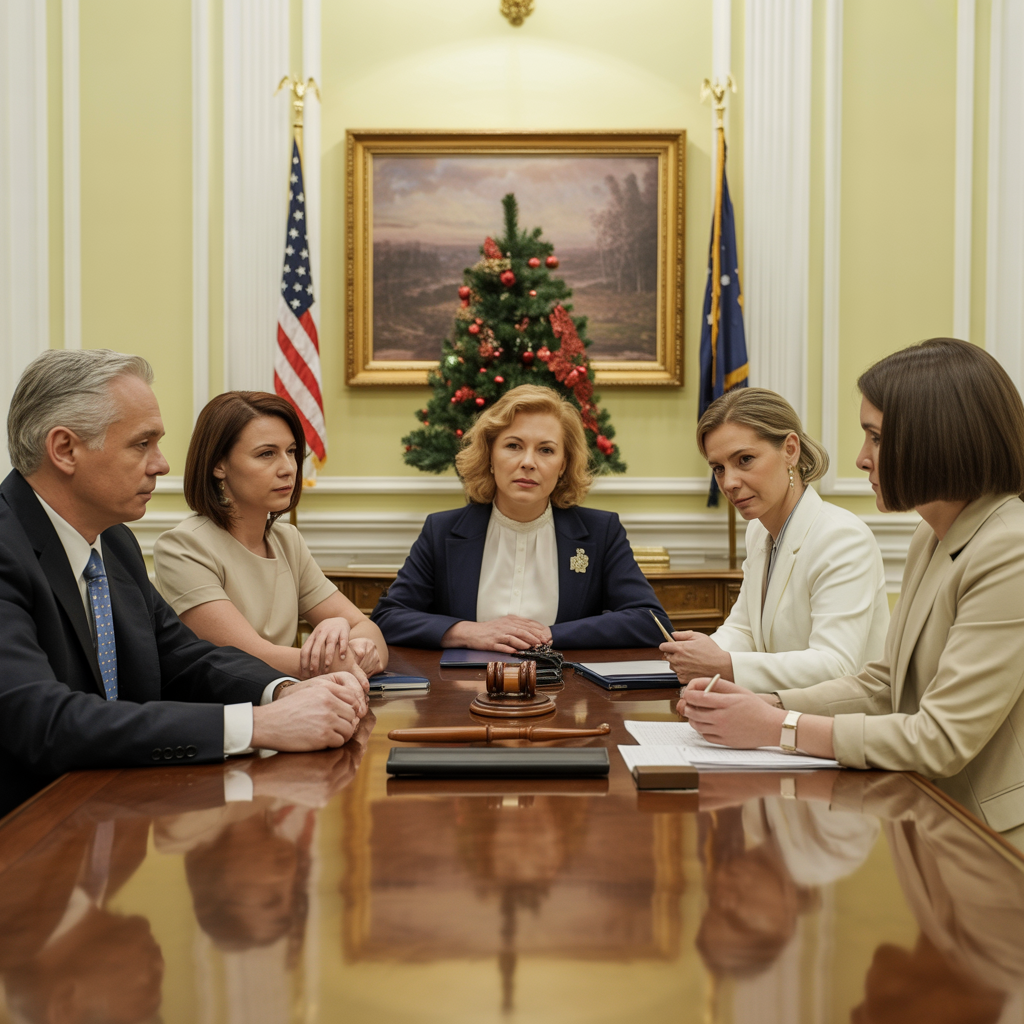
The lawyer’s office smelled like old leather and expensive wood polish, a stage set for civility while families divide the pieces of their lives. Across the desk, a man in a suit that cost more than my first car shuffled papers like they contained the weather.
He adjusted his reading glasses and said my surname with a softness that felt like a warning.
“So, to summarize,” Mr. Harrison said, “the family home at 847 Maple Drive will be transferred entirely to Michelle Chin. Naomi will retain no ownership stake. Is everyone clear on these terms?”
My mother’s smile flickered, the kind of brittle expression that lives between apology and relief. My father didn’t look up. He studied the contract like it contained a hidden exit if he could just find the right clause.
Michelle tried not to smile.
She failed.
“Naomi,” Mr. Harrison prompted, “do you understand what’s being proposed?”
I leaned back, crossed my legs, and let a small, honest smile settle on my face. Not bitter. Not brave.
Prepared.
“I understand perfectly.”
My mother exhaled like I’d just spared her a storm.
“Oh, good. We were worried you’d be upset.”
“Why would I be upset?” I asked gently.
Dad finally looked over.
“Because we’re giving the house to your sister. The house you grew up in. It’s worth about eight hundred thousand.”
“I know what it’s worth, Dad.”
Michelle tilted her head, that speculator’s gleam she gets when she feels a trap and can’t locate it.
“And you’re okay with this?”
“I’m fine with it.”
“Just like that?”
“Just like that.”
Mr. Harrison cleared his throat, sensing either grace or fuse wire.
“If there are no objections, we can proceed with signatures.”
The papers slid across polished wood like a slow avalanche. Mom signed first, her hand trembling at the turn. Dad signed like a foreman, finalizing a work order. Michelle signed last, pressing the pen hard as if ownership were an act of force.
Then they looked at me.
“Naomi needs to sign as well,” Mr. Harrison said, “acknowledging the transfer and waiving future claims.”
I took the pen, read every clause, every stipulation, every line that translated to: You are walking away from eight hundred thousand dollars.
The number was a weight that didn’t crush me. I’d been bracing for months.
I signed.
Michelle’s breath snagged, a tiny gasp that might have been disappointment.
“That’s it? You’re just going to sign?”
“What did you expect?” I said, setting the pen down. “A speech about fairness? A dramatic exit?”
“I expected you to at least ask why,” she said.
I turned to my parents.
“Why are you giving the house entirely to Michelle?”
Dad shifted.
“Your sister has been through a lot. The divorce, the job. She needs stability.”
“And I don’t?”
Mom leaned in quickly.
“You have your career, your own place. You’re doing well.”
“So this is charity,” I said evenly. “For Michelle.”
“It’s not charity,” Michelle snapped. “It’s family taking care of family.”
“Interesting definition.”
“What’s that supposed to mean?”
“Nothing. Forget it.”
I stood.
“Are we done?”
Mr. Harrison gathered the papers with professional relief.
“Yes. We’re all set.”
I shook his hand, nodded at my parents, looked once at my sister, and walked out with the same calm smile that had followed me into the building.
In the parking lot, I heard my mother calling my name, shoes clicking fast behind me.
“Naomi, wait.”
I turned.
“Are you sure you’re okay?” she asked, eyes searching my face the way people search a horizon for clouds. “You seem too calm.”
“What do you want me to say, Mom? That I’m devastated? That I feel betrayed?”
“I want you to be honest.”
“I am being honest. I’m fine with it.”
“But the house was supposed to be for both of you. We always said—”
“Plans change,” I said. “I get it.”
“Do you?” she asked softly. “Because you’re acting very strange.”
I gave her the same small smile. I could sense the way it unnerved her, like a locked drawer in a familiar room.
“Mom, I promise I am completely fine with you giving the house to Michelle. She needs it more than I do.”
“You’re not angry? Not even a little?” She hugged me. “You’re such a good sister. Michelle is lucky to have you.”
I hugged her back and said nothing.
Over her shoulder, through the windshield of their car, I saw Dad and Michelle talking, her hands moving sharply. Dad frowning, confusion etched in his brow. They could feel it, too.
The space between what they thought they understood and what I was actually saying.
I got into my car and let the thick quiet of the cabin fold around me.
My phone buzzed. A text from Ethan, my boyfriend. Just a photo of a kettle on our stove, steam curling.
You okay? Tea on.
My throat tightened.
I typed back: Be home soon. I’m fine.
Then I set the phone face down, because for what came next, tenderness was a liability.
Because here’s what they didn’t know.
I’d been expecting this for six months.
Thanksgiving. The house humming with too much warmth and not enough listening. I’d gone to the kitchen for more wine. Through the dining room arch, the words had slipped under the clatter of plates.
“How do we help Michelle without giving her cash she’ll burn?” Dad murmured.
“What if we gave her the house?” Mom said.
“Both kids are supposed to inherit it.”
“Naomi is doing fine,” Dad said. “She won’t miss it. Michelle needs something she can’t liquidate.”
Their voices were low, but not low enough.
People always underestimate the quiet ones. We’re good at absorbing the room, at filing it away.
Six months is a long time to rehearse a smile.
By the time they started dropping hints about estate planning to “keep things fair,” their plan was already older than their guilt. Mine was older than my forgiveness.
Back home, I put my keys in the little brass dish by the door, the one Ethan hates because it clinks too loud. I breathed in the smell of our eucalyptus candle, the same scent I lit when I needed to edit spreadsheets for hours without blinking.
Rituals for precision. Rituals for patience.
I opened my laptop and clicked the folder named Project Karma.
Inside: six months of research. Property records, financial statements, meeting notes, timelines. An LLC filing confirmation with a nondescript name that meant nothing to anyone who didn’t know what it meant to me.
I scrolled to a document dated four months ago. A purchase agreement for a Sterling Plaza unit—604, the two-bedroom with the small balcony where my parents had spent the last two years “downsizing” to keep life simple.
They never learned that simplicity without boundaries is just a prettier word for avoidance.
I hadn’t met the seller. I hadn’t needed to. Everything moved through management companies and attorneys with filters on their filters.
No names. No direct contact.
The lease would expire in thirty days. The new owner—my LLC—would decline to renew.
Legally clean.
Emotionally surgical.
My email pinged.
Mr. Chen from the property management company confirming:
We’ll deliver non-renewal notices to current tenants per statute on the 15th. Tenants Robert and Linda Chin. Please confirm.
I typed: Confirmed. Proceed as planned.
Then I hovered over send just long enough to feel the edge of it.
Click.
I closed the laptop and from the hallway heard Ethan moving around drawers, the soft thud of a mug on the counter. He appeared in the doorway holding two cups.
“Chamomile or peppermint?” he asked.
“Chamomile,” I said, taking the warm ceramic like it could anchor me.
He studied me for a beat.
“How bad?”
“Not bad,” I said, and realized I meant it. “Expected.”
He nodded, the way people do when they love you enough not to pry open your silences with their own need.
“I’ll be in the living room if you want to talk.”
“Thank you.”
When he left, I stood in the quiet and let it stretch until it didn’t feel like a threat. I thought about the way Mom said “fair,” the way Dad said “stability,” the way Michelle said “family.” Words that can mean anything when people are decided on their outcomes.
My phone lit up again.
Michelle: We should talk about the house. Dinner?
I stared for a second. Michelle hadn’t invited me to anything for three years, unless there was a need dangling from it.
Can’t tonight. Work stuff. Rain check.
Thanks for being cool about this, she replied. I really need this right now.
I know you do.
You’re the best sister ever.
I placed the phone beside the tea and let the steam fog the glass for a second. Then I reopened the laptop and pulled up a spreadsheet titled eviction timeline.
Notice date. Grace period. Final compliance.
Flawless edges that made me feel calm in a way apologies never had.
People think revenge is hot.
It isn’t.
It’s a room you keep at a very specific temperature for a very specific amount of time until consequence is ready to be served.
I didn’t want revenge. Not exactly. I wanted them to understand that choices come with outcomes. That you can’t script my role and call it fairness. That you cannot hand my inheritance to my sister and expect me to applaud from the valet stand because I smiled in the conference room.
I smiled because I was already three steps ahead.
And I was very, very calm.
Morning found me counting backward from thirty on a sticky note above my desk.
T-30.
The number didn’t feel like a countdown to detonation. It felt like a lab timer.
Precise heat. Measured reaction.
I worked. I ran numbers. I sent client emails. I let the rhythm of competence hold me steady while the other metronome—the one only I could hear—ticked toward the 15th.
At lunch, I walked past a cafe window and caught my reflection. Neat ponytail. Navy blazer. The same calm I’d worn in Mr. Harrison’s office.
Calm is just choreography without music. If you know the steps, no one notices the quiet.
That evening, after Ethan’s shift, we ate simple. Garlic noodles. Steamed greens. He talked about a new co-worker who alphabetized the tea drawer by vibe rather than tea type. I laughed, real and brief, and loved him for offering ordinary conversation like a soft chair.
When he cleared plates, I opened my laptop.
The Project Karma folder waited, unblinking.
I skimmed the Sterling Plaza reports, letting the numbers do what words can’t—tell the truth without trembling.
Unit 604. Lease expiration in thirty days.
Owner of record: Sterling Holdings Group LLC. Registered agent shielded by a law firm that billed in six-minute increments.
All professional. All proper. All distant.
The next day, my phone buzzed with a bright, overeager text from Michelle.
House painters coming Saturday. Want to swing by? We’ll be measuring for furniture.
Schedule’s tight, I typed. Soon.
It’s really happening, she wrote. I can’t believe this is mine.
You and me both, I didn’t type.
Instead of going to the house, I drove past at dusk. Parked half a block down where the elm shadows pulled across the front window. New bulbs—too bright, like someone convincing themselves.
Mom gestured at a wall. Dad frowned thoughtfully at a tape measure. Michelle held up paint swatches and decided out loud.
They were arranging my childhood like a stage set where I’d never be cast again.
I stayed ten minutes, then pulled away, the tires making that soft whisper that sounds like permission.
I didn’t go home. I crossed town to Sterling Plaza and looked up at the sixth floor.
There’s a language to lit windows.
Task lamps mean concentration. Overhead lights mean avoidance. Dim kitchen amber means hunger postponed.
Their balcony door was ajar. The tiny ficus Mom had nursed from a twig leaned toward the streetlight. From here, they looked like any pair of retirees who had made reasonable choices.
Reasonable, except for the part where reason stops when the heart starts protecting its favorite child.
A day later, Mr. Chen called.
“Ms. Chin, confirming non-renewal notices will be delivered on the 15th per statute. Some tenants may request meetings with ownership. How shall we route those?”
“Refer them to the LLC email,” I said. “I’ll handle inquiries.”
“Very good.”
I marked the date—April 15th—in my calendar with a quiet thrill and then immediately felt ugly for feeling it.
Revenge is a mirror that never flatters.
I closed the calendar and breathed until the feeling softened into resolve.
This wasn’t punishment.
It was proof.
Consequences teach what apologies skip.
On the 10th, my phone rang. Michelle.
“Hey, weird question. Have you been driving past the house? Mrs. Patterson said she saw your car.”
I let a beat pass.
“I was in the area.”
“What’s going on, Naomi? You’ve been off. That smile. You know the one. It’s starting to scare Mom.”
“Then maybe she should stop looking for storms that aren’t coming.”
“Except one already hit,” Michelle snapped. “And now I have two parents living in my basement arguing about shelf space. Do you know what that’s like?”
“No,” I said lightly. “But I imagine it’s character-building.”
She exhaled hard through her nose.
“You think this is funny?”
“No,” I said. “I think it’s inevitable.”
She hung up.
Two days later, Dad called.
“Naomi, your mother’s exhausted. Michelle’s upset. You need to help fix this.”
“Fix what?”
“This situation. She’s overwhelmed. The least you can do is offer some support.”
“Dad,” I said evenly. “I supported you by not objecting when you gave my half of the house away.”
“Don’t start that.”
“You started it when you signed the papers.”
“Naomi—”
“I’m not the one who needs to fix anything,” I said. “You made choices. Live with them.”
“You’ve become cold.”
“I’ve become consistent.”
He hung up, and the silence after felt both heavy and perfect.
Week two turned into week three.
Mom’s texts thinned out. Michelle’s patience thinned faster.
One evening, Ethan asked, “You ever plan to tell them?”
“Tell them what?”
“That you own the building.”
I looked at him the way you look at someone who’s holding a truth you’d rather keep folded.
“Eventually.”
He hesitated.
“You’re sure this isn’t about revenge?”
“It’s about cause and effect,” I said. “They created imbalance. I created gravity.”
He didn’t argue. He just touched my hand and said, “Be careful you don’t drown proving you can swim.”
April 20th. Five days after the eviction notice.
Mom called, voice cracking like glass.
“Your father and I had a fight with Michelle. She says we need to find our own place by next month.”
“That’s reasonable.”
“But we haven’t found anything. Everything’s too expensive.”
“Then expand your budget.”
“We can’t. We gave Michelle so much for closing costs.”
“You gave her money for the house you already gifted her,” I said quietly.
“Don’t sound so judgmental, Naomi.”
“I’m not. I’m just good with math.”
“When did you become so cruel?”
“When generosity stopped including me.”
She started crying again.
“Could you at least talk to your sister?”
“This is between you and her.”
“Naomi—”
“I have to go, Mom.”
When I hung up, I stared at the phone until my reflection blurred. My fingers were shaking. Not from guilt, but from the thin edge of satisfaction that scared even me.
The next day, a new text from Michelle.
Family meeting tomorrow. Noon. Don’t be late.
I almost smiled.
Perfect.
Saturday, noon.
When I arrived, the front door was already open. Michelle stood in the entryway, arms folded.
“They’re in the living room,” she said flatly. “Brace yourself.”
Mom sat on the couch, eyes swollen. Dad’s arms were crossed tight.
I stayed standing.
“What’s this about?”
Michelle gestured at the coffee table where a laptop sat open.
“I called the property management company for Sterling Plaza, asked who owned the building. They said Sterling Holdings Group LLC.”
My stomach went cold, but my face didn’t move.
“So,” she continued, “I looked it up. Public records. You want to guess who registered that LLC?”
Silence pressed in, thick and sharp.
“Naomi Lynn Chin,” she said finally.
Mom’s hand flew to her mouth. Dad’s jaw clenched.
“Is that true?” Mom whispered.
I met their eyes.
“Yes. It’s true.”
The air left the room like someone had cracked a window in winter.
“You bought our building,” Dad said. “You evicted us.”
“Yes.”
Mom’s voice rose to a wail.
“How could you do this to us?”
“Legally,” I said, “through a property sale.”
“Don’t play games,” Michelle shot back. “You planned this.”
“Of course I did,” I said quietly. “For six months. Since Thanksgiving, when I overheard the three of you deciding to give Michelle the house.”
Mom gasped.
“You knew that whole time?”
“I knew,” I said, “and I prepared.”
“By ruining our lives?” Dad’s voice cracked between rage and disbelief.
“I didn’t ruin them. I just introduced you to consequences.”
“This is revenge,” Michelle snapped.
“No,” I said. “Revenge is emotional. This was administrative.”
“Don’t twist words,” Dad barked. “You hurt your own family.”
I met his stare.
“And you didn’t?”
He stepped closer, his face red.
“You’re not the daughter I raised.”
“No,” I said softly. “You raised the daughter who learned strategy from watching you.”
Mom’s sobs turned brittle.
“We only wanted to help Michelle,” she said. “She needed it.”
“And I didn’t?”
“You have your own place.”
“And now,” I said, “so do you.”
Michelle slammed her hand against the table.
“What do you want, Naomi? For us to beg?”
“I want you to understand that fairness isn’t a feeling. It’s a math problem.”
“You’re insane,” she whispered.
“Maybe,” I said. “But I’m also right.”
“Take the house,” she blurted suddenly. “I can’t do this anymore. You win. Take it.”
I blinked.
“What?”
“This house was supposed to save me,” she said, voice shaking. “Instead, it’s killing me. Mom rearranges my kitchen. Dad wakes up at dawn to hammer things in the garage. They treat me like a child. I can’t breathe. Take the house.”
“I don’t want it,” I said.
“Then what do you want?” she asked again, almost pleading.
Good question.
I’d built this plan on precision, on outcomes, on the cold satisfaction of being three steps ahead. But standing there, I felt it—hollowness. Clean and echoing.
“I want you to understand what it feels like,” I said. “To be the one left out.”
Mom looked up, tears streaking her face.
“We do now.”
“Do you?” I asked. “Because understanding doesn’t restore trust. It just marks where it broke.”
I started toward the door.
Dad’s voice stopped me.
“That’s it? You blow up our lives and just walk away?”
“That’s what you did to me in the lawyer’s office,” I said. “Now you know how that feels.”
“Naomi,” Mom whispered. “We love you.”
“I know,” I said, turning back. “But love isn’t enough when it only applies to one child.”
“Don’t say that,” Michelle said weakly.
“It’s true. And until you face it, we have nothing left to talk about.”
I opened the door and stepped out into sunlight that felt too clean for what I’d done.
That night, I sat in bed beside Ethan, who watched me the way people watch a storm that might or might not hit their street.
“How bad?” he asked.
“Total collapse.”
He nodded slowly.
“And you?”
“Still standing,” I said. “But I don’t know why.”
He reached for my hand.
“Because you’re human.”
I didn’t answer.
I wasn’t sure I wanted to be.
Two weeks passed before the silence cracked.
When the phone finally rang, I didn’t expect it to be Michelle. Her voice sounded smaller, quieter, like someone speaking from underwater.
“I’m selling the house,” she said.
I sat up.
“What?”
“I can’t do it anymore. The mortgage, the maintenance, Mom crying, Dad sulking, the tension. It’s too much. They’re moving out next month.”
“Where will they go?”
“They found a small apartment downtown. Cheap but decent.”
I swallowed the strange mixture of relief and guilt that rose like carbonated water.
“That’s good.”
“Good,” she said, the word fragile. “You really think any of this is good?”
“No,” I said softly. “But maybe it’s necessary.”
She didn’t argue.
“I don’t even recognize us anymore.”
“Maybe now we get to build something new,” I said. “Something honest.”
There was a long pause.
Then the line went dead.
That evening, I opened my laptop and found the email thread with Mr. Chen.
I typed:
Please contact Robert and Linda Chin. Offer them unit 604 under the same lease terms as before.
N. Chin.
My finger hovered over send longer than it should have.
Then I clicked.
The message left like a confession whispered into a clean room.
Mom called the next day. I almost didn’t answer.
“Naomi,” she said, voice trembling. “The property company called. They’re offering us our apartment back. Was this you?”
“Yes.”
She was silent for a long moment.
“Why?”
“Because I proved my point,” I said. “And because you’re my parents. That still means something.”
“Does this mean you forgive us?”
I hesitated.
“I don’t know yet. But it means I’m not going to keep punishing you.”
“Can we try again? To be a family?”
“Maybe,” I said. “But it’ll have to be different this time.”
“How different?”
“Fifty-fifty in everything. No more ‘Michelle needs it more.’ No more decisions made in whispers. We split evenly. Always.”
She exhaled, shaky but relieved.
“We can do that.”
“Then maybe we can try.”
Six months later, I was back at Sterling Plaza, knocking on the same door my parents once thought belonged to a stranger.
Inside, it smelled of pot roast and rosemary. Comforts reborn.
“Come in,” Dad said.
He looked older, smaller—but calmer.
Mom hugged me like someone who’d learned to ask first.
“We made your favorite,” she said, smiling carefully.
Michelle was there, too. Hair shorter, circles gone from under her eyes. She’d sold the house, moved into a small apartment she could actually afford. Her laugh came easier now.
Dinner was simple. Pot roast. Mashed potatoes. Laughter that didn’t need to defend itself.
No one mentioned the house or the eviction. No one said the word inheritance. But something had shifted.
Dad stopped himself before giving me advice—twice. Mom asked before making plans.
Michelle looked at me directly when she needed help instead of going through them.
We weren’t the same family. That version had dissolved in polished wood and legal ink. But maybe this version, the smaller, humbler one, had a chance.
After dinner, I stepped out onto the balcony. The city hummed below, steady and unconcerned.
Ethan leaned against the railing beside me, his hand brushing mine.
“Feels better,” he said.
“It does,” I admitted.
“Worth it?”
I thought about the lawyer’s office. The smell of leather and wood polish. The six months of planning. The cold satisfaction that had once felt like control.
“I don’t know if revenge is ever worth it,” I said. “But truth is.”
He nodded.
“So what now?”
“Now,” I said, “I stop smiling that smile.”
In the reflection on the glass, I saw all of them—Mom, Dad, Michelle—talking softly inside, moving like people who’d learned that comfort doesn’t come from having more, but from finally being fair.
Maybe revenge doesn’t fix anything.
But it does reveal everyone’s truth.
Including your own.
Six months after that pot roast at Sterling Plaza, my life looked almost suspiciously normal.
That’s the thing no one tells you about detonating a family pattern and then trying to rebuild it—most days are boring. Dishes still need to be washed. Rent is still due. Emails still pile up in your inbox like snowdrifts, indifferent to whatever psychological earthquakes you’ve just survived.
On paper, everything was better.
My parents were back in unit 604, paying the same rent as before under a lease that now had my name on the owner line. Michelle had sold the Maple Drive house, paid off her divorce lawyer, and moved into a two-bedroom walk-up near the arts district with a rent she could actually afford. Ethan and I still shared our small apartment with too many plants and not enough closet space.
No one was living in anyone else’s basement.
We had, by every measurable metric, stabilized.
But stability and peace are not the same thing.
I learned that in therapy.
The first time I said “revenge” out loud to a stranger with a framed license on the wall, I expected lightning.
“So,” Dr. Patel said gently, crossing one ankle over the other, “let’s use your word. Revenge. How does it feel in your mouth?”
“Like a metal spoon,” I said. “Cold. Hard. Loud if you drop it.”
She smiled just slightly.
“That’s very specific.”
“I’m very specific,” I said. “It’s why people trust me with spreadsheets and not surprises.”
She nodded.
“You told me last week that you don’t think revenge is worth it,” she said. “But you also said it revealed everyone’s truth, including your own. What’s that truth?”
I looked at the bookshelf behind her head, the way I always did when questions felt like scalpels.
“That I’m not as good a person as I thought I was,” I said finally.
“Define ‘good,’” she said.
“The kind of daughter who doesn’t buy her parents’ building to evict them.”
“Did you do it to hurt them?” she asked.
“Yes,” I said. “And to prove a point. And to make the math make sense.”
“And do you believe now that the point was understood?”
I thought about the way my mother’s voice shook when she asked if my offer of their apartment back meant I forgave them. About my father’s face when he said, “I’m not the one who needs to fix anything,” and heard his own words thrown back at him.
“I think they understand that I’m not optional,” I said.
“And does that change how you see yourself?” she asked.
“A little,” I admitted. “I spent thirty-four years thinking I was the extra. The one you could take out of the equation and the family still balanced. Now I know I was just the variable they thought would cooperate.”
“And underneath that?” she asked.
“Underneath that,” I said slowly, “is a person who can be cruel in very organized ways.”
“You sound ashamed,” she said.
“Shouldn’t I be?”
Dr. Patel considered me for a moment.
“You orchestrated a consequence,” she said. “Not out of nowhere, not unprovoked. Does that excuse the pain? No. Does it erase their betrayal? Also no. The question is not whether you should feel ashamed. It’s whether you want to live in shame. There’s a difference.”
“What’s the alternative?” I asked.
“Responsibility,” she said. “You can hold yourself responsible without sentencing yourself to being a villain in your own story.” She paused. “Do you believe you are a villain, Naomi?”
I thought of Ethan’s hand on mine the night everything blew up, of Michelle’s small voice saying, “I don’t recognize us anymore,” of my father’s frail “We can do that” when I laid out my terms for fairness.
“Some days,” I said. “Some hours. Then other times, I just feel…tired.”
“Tired is honest,” she said. “Villain is a costume.”
One Saturday afternoon in late October, I found myself standing in the baking aisle at the grocery store, staring at three nearly identical bags of flour like one of them contained moral absolution.
“You okay?” Ethan asked, parking the cart beside me.
“Which one did my mom use for pie crust?” I asked, pointing at the options.
He squinted.
“The red one,” he said. “Gold Medal. I remember because she lectured me for ten minutes about gluten structure.”
I smiled despite the knot in my stomach.
“Right,” I said, tossing a bag into the cart.
“You’re sure you want to do this?” he asked.
“It’s a pie, Ethan. Not a hostage negotiation.”
“It’s Thanksgiving,” he said. “With your family. First one since…”
“Since I owned their landlord for a month,” I finished dryly. “You can say it.”
“Since everything changed,” he amended.
I put the flour on top of the canned pumpkin.
“We talked about this,” I said. “New rules. New math. New table. If we keep avoiding holidays, we’ll just be stuck in the fallout forever.”
“I’m just saying,” he added, “if at any point you want to fake a gas leak and leave, I will dramatically cough on cue.”
I bumped his hip with mine.
“Deal.”
Thanksgiving at Sterling Plaza felt like a smaller version of the old Maple Drive dinners, stripped of the parts that had always made my skin itch.
The table was narrower. The chairs didn’t match. The china was a mix of Mom’s old wedding dishes and new, utilitarian white plates from a big box store.
But the smells were the same. Roast turkey. Sage stuffing. Potatoes whipped within an inch of their lives.
Mom fussed with the napkins as if folding them just right could hold the whole night together.
“You didn’t have to do all this,” I said, carrying a bowl of green beans to the table.
“Of course I did,” she replied. “We haven’t had a proper Thanksgiving in years.”
“We had one last year,” Michelle called from the kitchen. “You just didn’t invite Naomi.”
The sentence hung in the air like a smoke alarm before a fire.
Mom winced.
“Michelle, that’s not—”
“It’s true,” I said. “It’s okay. We’re here now.”
Dad came in balancing the turkey like a peace offering.
“Let’s just eat before everything gets cold,” he said.
We sat. Ethan squeezed my knee under the table. Michelle poured wine with a hand that only trembled a little.
For the first ten minutes, conversation clung to safe topics. Work. Weather. The neighbor upstairs who apparently had a tap-dancing hobby at midnight.
Then Mom picked up her glass.
“I’d like to say something,” she said.
I felt my spine brace itself.
“Here we go,” Michelle muttered under her breath.
But Mom didn’t look defensive. She looked…brave.
“I want to apologize,” she said, looking between us. “To both of you. For how we handled the house. For how we handled…everything.”
Dad shifted in his seat, but he didn’t interrupt.
“We told ourselves we were helping,” she continued. “That we were doing what parents should do. But the truth is, we were avoiding something. We favored one child and used the other’s competence as an excuse.”
My fork hovered over my plate.
“Mom,” I began.
“Let me finish,” she said, more firmly than I’d heard in years. “Naomi, you were right. Fairness isn’t a feeling. It’s math. And we failed it.”
She turned to Michelle.
“And you were right, too. Taking the house didn’t save you. It buried you.”
Michelle stared at her plate like it had started speaking.
“We can’t undo what we did,” Mom said. “We can’t pretend a few equal splits now erase decades of…” She swallowed. “Of choosing one of you over the other. But we can stop doing it. We can stop acting like love cancels out patterns.”
The room went very still.
“Thank you,” I said quietly.
Michelle surprised me by adding, “Yeah. Thanks.”
Dad cleared his throat.
“I thought giving Michelle the house was making up for her bad luck,” he said. “The divorce, the layoffs. I thought Naomi didn’t need anything from us. She always landed on her feet.”
“No one always lands on their feet, Dad,” I said.
He nodded.
“I’m learning that,” he admitted. “I’m also learning that sometimes the person who looks fine is the one you’ve leaned on so hard they just stopped asking to be held.”
I felt something loosen under my ribs.
“So,” Mom said, reaching for the mashed potatoes like a judge handing down a sentence, “fair from now on. Money. Time. Attention. If we slip, you call us on it. Both of you. Deal?”
Michelle glanced at me.
“Deal,” I said.
“Deal,” she echoed.
It wasn’t a magic fix. No choir of angels descended. The turkey didn’t suddenly become less dry.
But for the first time, it felt like we were sitting at the same table instead of three different ones with mirrored centerpieces.
If this were the part of the story where everything healed neatly, it would end there. We’d fade out on pot roast and shared pie, maybe a montage of future holidays with grandchildren and matching sweaters.
Real life is messier.
Three months later, my father had a stroke.
It was small, for which everyone kept saying “thank God” like it was a reflex.
Small.
As if any moment your brain misfires and half your body lasts wrong is actually small.
I was at my desk, color-coding a quarterly report, when my phone lit up with Michelle’s name.
“Naomi,” she said, without preamble, “you need to come to St. Francis.”
The hospital smell hit me before I cleared the automatic doors. Antiseptic and fear and bad coffee.
Michelle was in the hallway outside a curtained-off bay, arms wrapped around herself.
“He’s okay,” she said immediately. “I mean, he’s not okay-okay, but he’s talking. Moving. They said it could have been worse.”
“What happened?”
“He was arguing with the insurance company about his blood pressure meds,” she said, a short, humorless laugh slipping out. “Then he dropped the phone. Mom thought he was joking until he couldn’t form the word ‘kitchen.’”
The word lodged in my throat.
“Can I see him?” I asked.
She nodded, pulling aside the curtain.
Dad lay on the bed, his face a shade paler than I’d ever seen. A blood pressure cuff embraced his arm. Electrodes dotted his chest like accusation stickers.
“Hey,” I said softly.
He turned his head. The right side of his mouth lifted; the left lagged half a beat behind.
“Hey,” he answered, the word slightly slurred.
My chest tightened.
“You look terrible,” I said.
He huffed out a laugh that turned into a cough.
“Always honest,” he said. “At least one of us is.”
I took the chair beside the bed.
“How bad?” I asked.
“Small stroke,” he said. “Clot in a branch they say. I get to join the pill-of-the-month club.”
His attempt at bravado wobbled.
“Are you scared?” I asked.
He stared at the ceiling.
“Terrified,” he said. “Not of dying. Of staying and not being…useful.”
The word hit me in the softest part of my chest.
“Dad,” I said quietly, “you’re allowed to be here even if you’re not carrying groceries.”
He swallowed.
“You’ve never needed me,” he said.
“That’s not true,” I said.
“You needed me to be different,” he said. “And I wasn’t.”
Silence stretched between us, all the unsaid years pressing at the edges.
“You can’t go back and raise me again,” I said. “But you can be different now. Not just for me. For yourself. For Mom.”
He looked at me then, really looked, as if his old vision had been fogged and the stroke had knocked something clear.
“Will you help me?” he asked.
The question landed heavier than any legal document.
“Help you how?” I asked carefully.
“Keep me honest,” he said. “When I start sliding back into…old patterns. When I tell myself fairness is something we can’t afford.”
I chewed my lip.
“That’s not a small favor,” I said.
“Nothing about you is small,” he replied.
I laughed, surprised.
“Fine,” I said. “But I’m charging consulting fees.”
He smiled lopsidedly.
“Fair,” he said.
The stroke rearranged things in ways no will or lease ever could.
Mom started insisting they go on walks every evening instead of watching game shows. Dad began reading nutrition labels like they were fine print on a contract.
Michelle and I developed a text pattern of sending each other Dad Updates: BP good today, complained about salt; or your father tried kale; send sympathy.
It was as if we had been circling the same family story for years and someone had finally picked up the book and said, “We either rewrite this, or we stop pretending it’s a comedy.”
One night, about two months into Dad’s recovery, Michelle invited me over to her apartment for takeout and “no talking about stroke stuff, I swear.”
Her new place was small but bright. Plants crowded the windowsill. A thrift-store painting of a lake hung slightly crooked above the couch.
“I like it,” I said, kicking off my shoes.
“It’s not an eight-hundred-thousand-dollar house,” she said. “But I can afford all the rooms.”
We ate pad thai out of cardboard containers, our chopsticks clacking gently.
“I went back to school,” she said between bites. “Part-time. Accounting classes.”
I blinked.
“You hate numbers,” I said.
“I hate being scared of them more,” she replied. “I’m tired of Dad being the only one who speaks Money in this family.”
I nodded slowly.
“That’s…huge,” I said.
“Don’t say huge,” she groaned. “It makes me want to hide. Say ‘moderately large.’”
We both laughed.
Then her face sobered.
“Do you ever feel like the villain in this story?” she asked abruptly.
I stared at my noodles.
“Sometimes,” I said. “Today? Only about forty percent. You?”
“Try ninety,” she said. “People still look at me like the spoiled one. I mean, I was the spoiled one. But also, I was drowning and they were stuffing towels under the door so they wouldn’t hear it.”
The image made my chest ache.
“You could have said no,” I said gently.
“To the house?” she asked. “To being the chosen one? You think I didn’t try? Every time I argued, Mom cried and Dad lectured and then they doubled down on how I ‘needed their help.’ Saying no felt like trying to stop a train by standing on the tracks.”
I thought about all the times I’d been praised for being “so independent,” how that had subtly excused them from asking what I needed.
“We were both props,” I said. “You were the one they rescued. I was the one they bragged about. Neither of us got to be just…kids.”
Michelle’s eyes filled.
“I hate that your revenge hurt them,” she said. “But I also…”
She swallowed.
“Also what?”
“Also, a small, horrible part of me was relieved,” she whispered. “When they had to feel scared for once. When they had to live with the fallout of their choices instead of outsourcing it to me.”
I exhaled.
“You know what my therapist says about that?” I asked.
“That I’m a monster?” she offered.
“That two truths can exist at once,” I said. “You can regret what happened and still acknowledge the part of you that felt seen when the universe finally handed them a bill.”
She snorted.
“I hate that your therapist is right.”
“She usually is,” I said. “It’s very annoying.”
Michelle pushed her noodles around the container.
“I don’t know if I’ll ever earn back your trust,” she said. “I don’t know if I deserve to.”
“You don’t earn trust with one decision,” I said. “You earn it with a pattern. Same way we lost it.”
“And where are we now?” she asked.
I thought about the family meeting, about her offering me the house in pure panic, about the phone call where her voice sounded like someone speaking from underwater.
“Somewhere past zero,” I said. “Not at a hundred. But not negative anymore.”
She nodded.
“I’ll take that,” she said.
Ethan proposed on a Tuesday.
Not with a flash mob or a surprise trip. Not on a mountaintop or in front of a landmark.
In our kitchen, barefoot, while I was making a grocery list.
“We need coffee, eggs, and,” I was muttering, “that cereal you like that tastes like cardboard but with better PR—”
He slid a small box across the counter.
“And this,” he said.
For a second, my brain did that static noise thing it does when a web page won’t load.
“Is that…what I think it is?” I asked.
“Unless you think it’s a very small cheese,” he said.
I opened it.
The ring was simple. A slender gold band. A single diamond, not huge, not tiny. Classic.
“I thought we weren’t doing grand gestures,” I said, my voice thinner than I’d planned.
“This isn’t grand,” he said. “It’s just…clear.”
I looked up.
“Naomi,” he said quietly, “I love you. I love your spreadsheets and your revenge folders and your eucalyptus candle and the way you pretend not to cry at dog commercials. I would like to keep doing life with you. Legally. On purpose.”
My throat closed.
“You sure?” I croaked.
“I have references,” he said. “Ask your therapist. She likes me.”
A laugh burst out of me, half-sob.
“That’s true,” I admitted.
“Is that a yes?” he asked.
I looked at the ring, at the man holding his breath across the counter, at the grocery list with “coffee” and “eggs” circled like they were vital organs.
Marriage had never been part of my original spreadsheet. Watching Michelle’s implode, watching my parents use the word “divorce” like a curse, had made me treat marriage like a high-risk investment.
But this wasn’t about guarantees. It was about choosing someone who held my worst truths with steady hands.
“It’s a yes,” I said.
He exhaled, relieved.
“Good,” he said. “Because I already told my supervisor I might need a day off for ‘life administration.’”
“Life administration,” I repeated. “You really know how to seduce an analyst.”
He slid the ring onto my finger. It fit.
“We’ll tell your family when you’re ready,” he said.
“They’re going to freak out,” I said.
“Probably,” he agreed. “But that’s not your problem.”
Telling my parents we were getting married could have gone a lot of ways.
Version A: Mom cries, Dad gives a ten-minute lecture on mortgages, Michelle makes a joke about “finally” and we all toast.
Version B: Mom cries, Dad questions my judgment, Michelle asks if we signed a prenup, I storm out.
Reality landed somewhere in between.
We invited them to our apartment for dinner. Nothing fancy. Pasta, salad, a store-bought cheesecake I transferred to a glass plate to create the illusion of effort.
Mom brought flowers. Dad brought a bottle of wine he couldn’t quite afford but wanted to.
Michelle arrived ten minutes late with a bag of chips and an apology about traffic that none of us believed.
We ate. We talked about Dad’s physical therapy, about Mom’s new hobby of painting birds, about Michelle’s midterm in accounting.
Finally, Ethan gave me a look that said, “Now or never.”
I cleared my throat.
“We have some news,” I said.
Four pairs of eyes swung toward me.
“Ethan and I are getting married.”
For a heartbeat, there was silence.
Then Mom burst into tears.
“Oh, honey,” she said, standing up so fast her chair squeaked. “Oh my goodness. Oh my.”
She hugged me so hard the ring pressed into my finger.
“Congratulations,” Dad said gruffly, standing to shake Ethan’s hand. “You know what you’re getting into?”
Ethan smiled.
“Full risk assessment,” he said. “And worth it.”
Michelle grinned.
“Finally,” she said. “Now I can stop pretending you two are just extremely affectionate roommates.”
I rolled my eyes.
“We wanted to talk to you about something else, too,” I said, heart rate kicking up.
“Here it comes,” Michelle muttered, half-teasing, half-wary.
“We’re meeting with a lawyer next week about a prenuptial agreement,” I said. “I wanted you to hear it from me.”
Mom’s face tightened.
“A prenup?” she repeated.
“It’s just smart,” Ethan said gently. “We both have assets, and Naomi has…complicated family financial history. We want everything clear.”
Dad nodded slowly.
“Can’t argue with clarity,” he said.
Mom looked between us.
“Do you not trust each other?” she asked.
“We trust each other enough to plan for worst-case scenarios,” I said. “And we trust ourselves enough not to let money decisions get made in whispers.”
She flinched.
“This isn’t about you,” I added softly. “It’s about not repeating patterns.”
Dad took a sip of wine.
“What does this mean for…” He hesitated, clearly searching for a neutral word. “Inheritance?”
“It means,” I said, “that whatever you leave will be split evenly, if you leave anything at all. And it will go into our separate property unless we agree otherwise.”
He nodded.
“Fair,” he said.
Mom relaxed by a millimeter.
“I just want you to be happy,” she said.
“Happy doesn’t exclude paperwork,” I said.
Michelle raised her glass.
“To paperwork,” she toasted dryly. “And to my sister not blowing up any more real estate this time.”
“No promises,” I said.
We laughed. It was lighter than it would have been a year ago.
Ethan and I got married in a small ceremony at a botanical garden.
No church. No maple-lined driveway. No dramatic speeches.
Just thirty people, folding chairs, and a canopy of trees.
Michelle stood beside me as my maid of honor, her hair curled, her dress a deep green that made her look steady instead of trying.
“If you run,” she whispered as we watched the guests take their seats, “I’m taking your ring and your apartment.”
“Noted,” I whispered back.
Dad walked me down the aisle. His gait was a little uneven, a souvenir from the stroke, but his hand was steady on mine.
“You sure?” he murmured.
“About marrying him? Yes,” I said.
“About letting us be part of it,” he said.
I squeezed his arm.
“One day at a time,” I said.
Ethan was waiting at the end of the aisle, eyes wide and soft. When our hands met, everything else blurred.
We exchanged vows we’d written ourselves. Mine included the phrase “I promise not to buy your building out from under you.” His included “I promise to support your need for color-coded calendars.”
People laughed. People cried. The officiant pronounced us married. We kissed.
For a moment, it was just us.
Then I heard a sound that lodged itself somewhere deep in my rib cage—a quiet, unsteady sniff.
My mother.
She was crying, but differently this time. Not out of fear, not out of guilt.
Out of something that looked a lot like joy and a little like awe.
After the ceremony, while everyone milled around under string lights, Dad pulled me aside.
“You know,” he said, “if you’d asked me five years ago what my proudest moment as a father would be, I probably would’ve said buying that house on Maple Drive.”
“And now?” I asked.
He looked at Ethan across the lawn, laughing with my coworkers, the ring on my hand catching light as I gestured.
“Now?” he said. “It’s that you didn’t let that house be the last thing that defined us.”
Sometimes I think about the version of my life where I never overheard that Thanksgiving conversation. Where my parents quietly changed their will, Michelle inherited the house, and I simply…accepted it.
In that version, I probably would have sent a polite text—Congrats on the house!—and then taken an extra shift at work to avoid feeling anything too sharp.
We would have drifted, slowly, our interactions reduced to birthdays and obligatory holidays. Michelle would have suffocated under the weight of “saving” the house. My parents would have gone on believing fairness was a luxury.
No one would have called it unfair out loud.
No one would have risked being the bad guy.
We would have all been so polite.
And so resentful.
Instead, I lit a fuse.
It blew up in all our faces.
It hurt people I loved.
It taught me things about myself I didn’t want to know.
It forced us to say words like “favored” and “left out” and “we were wrong” in rooms that used to only host conversations about paint colors and college majors.
Do I recommend buying your parents’ building to teach them a lesson?
No.
There are gentler ways to establish boundaries. There are therapists and mediators and honest conversations that don’t involve legal filings.
But I can’t change the fact that this is the path I took.
All I can do is be responsible for what came after.
I moved my parents back into their apartment. I set new rules. I insisted on fifty-fifty, not as punishment but as policy.
We started over in a smaller space with less furniture and more truth.
Michelle and I are still figuring out how to be sisters without an audience. Sometimes we get it wrong. Sometimes we slip into old roles—me as the competent one, her as the fragile one. Then one of us catches it and calls it out.
“Math check,” she’ll say when Mom starts a sentence with “Michelle needs—”
“Pattern alert,” I’ll say when I find myself volunteering to fix everything.
We laugh. We adjust.
We try again.
Ethan and I are building a life with more paperwork than romance movies allow, and more tenderness than I’d ever seen modeled growing up.
We talk about kids sometimes, in that abstract, slightly terrified way people do when they’re trying on futures like coats.
“If we have a daughter,” he says, “what’s the one thing you want her to never doubt?”
“That she’s not optional,” I say.
“And if we have a son?” he asks.
“That fairness isn’t optional either.”
He nods.
“Good,” he says. “I’ll put it on the fridge.”
On the one-year anniversary of the day I signed away my half of the Maple Drive house, I drove by it.
Not to brood. Not to gloat.
Just to see.
The new owners had painted the shutters navy blue. There was a tire swing in the front yard, hung from the sturdy limb of the old maple tree.
A little girl in a green jacket ran across the lawn, hair streaming behind her. A dog chased after her, all paws and ears.
They looked happy.
The house looked like what it had always been meant to be—a shelter, not a trophy.
I sat there a minute, hand resting on the steering wheel, and felt something I hadn’t expected.
Relief.
That house wasn’t mine. It wasn’t my sister’s. It wasn’t my parents’.
It belonged to a new story now.
I pulled away and headed toward the river, where the city lights reflected in restless ripples.
My phone buzzed.
Mom: Dinner Sunday? Pot roast. Equal portions. 😊
Michelle: Bring dessert. And your spreadsheet skills. Trying to budget without crying.
Ethan: Stuck at work late. Save me leftovers?
I smiled.
Not the tight, prepared smile I’d worn into Mr. Harrison’s office.
A different one.
Smaller. Softer.
I typed back.
Me: I’ll bring pie. And a calculator.
Then I put my phone face down, rolled down the window, and let the cool night air rush in.
Peace, I was learning, isn’t the absence of consequence.
It’s the moment you stop needing other people to be wrong for you to feel right.
My parents had their apartment.
My sister had her chance.
I had my ring, my ridiculous whale-shaped cheeseboard, my therapist, my spreadsheets, my very human capacity for both cruelty and compassion.
And for the first time in a long, long time, I had something else too.
A family that knew my value didn’t disappear when I stayed quiet.
Because I had finally learned to speak.
And this time, I didn’t need a lawyer’s office to prove it.
When your family decides that “you’re doing fine” and hands everything to a sibling, what do you do — stay quiet to keep the peace, or start setting real boundaries and letting consequences speak for themselves? I’d love to hear your story in the comments below.