





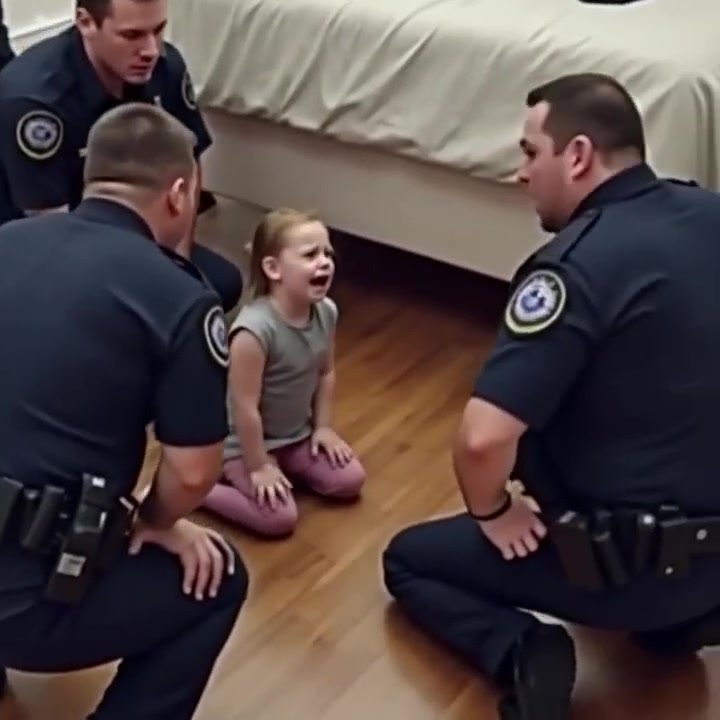
2. Developmental Imagination
Between ages three and eight, children’s creative thinking peaks. They mix fantasy and reality fluidly.
A shadow isn’t just light and shape — it could be alive, moving, or curious. 3. The Fear of the Unseen
What’s hidden triggers curiosity but also discomfort.
The bed’s underside is both familiar and forbidden: we know it’s part of our room, yet we can’t easily see what’s there. 4. The Influence of Storytelling
Across the world, cultures have created bedtime tales that shape how children perceive the dark — stories that teach caution, manners, or courage.
These stories stay with us, evolving into metaphors as we grow. Monsters, Myths, and Cultural Echoes
Every region on Earth has its version of the “something under the bed.”
In Mexico, parents once spoke of El Coco, a shapeless figure that appeared when children refused to sleep. In Japan, folklore tells of gentle spirits that linger near sleepers, guarding dreams or watching silently from the shadows.
In Scandinavia, tales mention hidden folk living beneath homes, listening and observing. In the United States and Europe, the “boogeyman” became a symbol of moral order — a creature that rewarded good behavior by absence and punished disobedience through imagination. Each culture’s stories are more than attempts to frighten children.
They’re mirrors of society’s values — teaching respect, mindfulness, or safety in a world full of unknowns. The Science Behind the Fear
Modern research into sleep and anxiety offers fascinating insight into why nighttime unease persists even in adults. The Brain in Darkness
When light fades, our senses sharpen to compensate.
Ordinary sounds seem louder. Small movements gain significance. It’s a survival mechanism — one that doesn’t vanish with age.
The Role of Hyperawareness
Some people, particularly creative or emotionally sensitive individuals, have heightened night awareness. They notice every sound, every flicker of light. Their active imagination becomes both gift and challenge.
Sleep-Related Phenomena
Experiences like sleep paralysis or hypnagogic hallucinations — vivid sensations between waking and sleeping — can make people genuinely feel a presence nearby, even when none exists. The line between perception and imagination becomes thin at night, and the human brain, built for storytelling, fills in the blanks. Personal Stories: Shared Shadows of the Past
Over the years, I’ve collected stories from friends, colleagues, and family members about their own childhood fears.
One friend remembered staring at a pair of glowing “eyes” under his bed — later discovering it was the reflection of his clock in a mirror. Another told me she used to hear scratching under her mattress, only to find her cat hunting a toy she’d dropped. A cousin confessed she couldn’t sleep unless her feet were covered, convinced something would grab her ankles if they hung over the edge.
These stories are almost identical across different people and generations. That’s the remarkable part — how similar human imagination is. Even when logic intervenes, emotion leaves a lasting imprint.
From Childhood Frights to Adult Lessons
As adults, we rarely think about monsters under the bed — but we all have invisible anxieties. They just take different forms. The hidden “thing” becomes:
An overdue responsibility we keep postponing.
A decision we’re afraid to make. A memory we haven’t yet faced. In this sense, the space beneath the bed transforms into a metaphor — the mind’s attic, where we store unprocessed feelings.
That’s why adults sometimes lie awake, not because of fear of creatures, but because of thoughts that surface in silence. The night gives us nowhere to hide from ourselves. The Psychology of Nighttime Thinking
Neuroscientists explain that during rest, when external stimulation fades, the default mode network in our brain activates — the system responsible for self-reflection and imagination.
It’s the same system that makes creativity flourish and also amplifies worries. That’s why bedtime becomes a powerful mirror: it reflects everything we avoid during the day. This understanding reshapes the “monster” idea completely.
The creature in the dark isn’t an enemy — it’s a symbol of awareness. It forces us to look inward. How to Calm the Mind When Night Feels Uneasy
Experts in child and adult psychology suggest gentle, realistic ways to manage nighttime anxiety:
Establish Comforting Rituals – Reading a relaxing story, using soft lighting, or listening to calming sounds before bed helps signal the brain that it’s safe to rest.
Avoid Overstimulation – Bright screens or emotional conversations before sleep can keep the brain alert. Acknowledge, Don’t Dismiss – When a child says they’re scared, responding with empathy rather than dismissal builds trust and helps them process emotions. Mindful Breathing – Deep breathing, gratitude journaling, or short meditations shift focus from fear to calmness.
These methods don’t just reduce anxiety — they teach emotional intelligence, transforming a moment of fear into a lesson in self-awareness. Imagination: A Double-Edged Gift
The same imagination that creates fear also creates art, invention, and compassion. Every story, painting, or melody begins as something unseen — a thought that grows stronger in the quiet.
Our childhood fears might have frightened us, but they also trained us to visualize vividly, to explore what lies beyond the obvious. The key isn’t to silence imagination, but to guide it — to let it become a source of creativity instead of anxiety. The Hidden Value of Old Fears
Looking back, those moments of fear under the blanket taught us important emotional lessons:
We learned how courage feels — not in the absence of fear, but in the act of facing it.
We learned that most threats dissolve under light, whether literal or emotional. And we learned that imagination, once mastered, is one of the most powerful tools for understanding ourselves. In this way, fear beneath the bed becomes the foundation of empathy and curiosity.
Reflections: What Really Lies Beneath
When I recall that night — the quiet sound, the pause before looking — I see it differently now. It wasn’t fear I felt; it was awareness. Awareness that my mind, like every human mind, carries echoes of the past.
The real presence beneath the bed isn’t a creature or spirit — it’s a part of ourselves we once hid from view. The child who imagined danger was also learning to imagine safety, bravery, and resilience. When we finally look into that space and find only dust and memory, we understand something profound: what unsettles us most is rarely outside us.
It lives quietly within — waiting not to scare us, but to be seen. Conclusion: Shadows as Teachers
The next time you turn off the lights and feel that tiny spark of unease, remember: it’s not a flaw. It’s a whisper from the imagination that once protected you, entertained you, and made you curious about the world.
Our fears are not just ghosts from childhood. They’re guides — reminding us that even in darkness, we carry the power to understand, to feel, and to grow. The space beneath the bed will always be empty, but the stories we place there will continue to shape who we are — dreamers, thinkers, and beings capable of transforming fear into wonder.

